

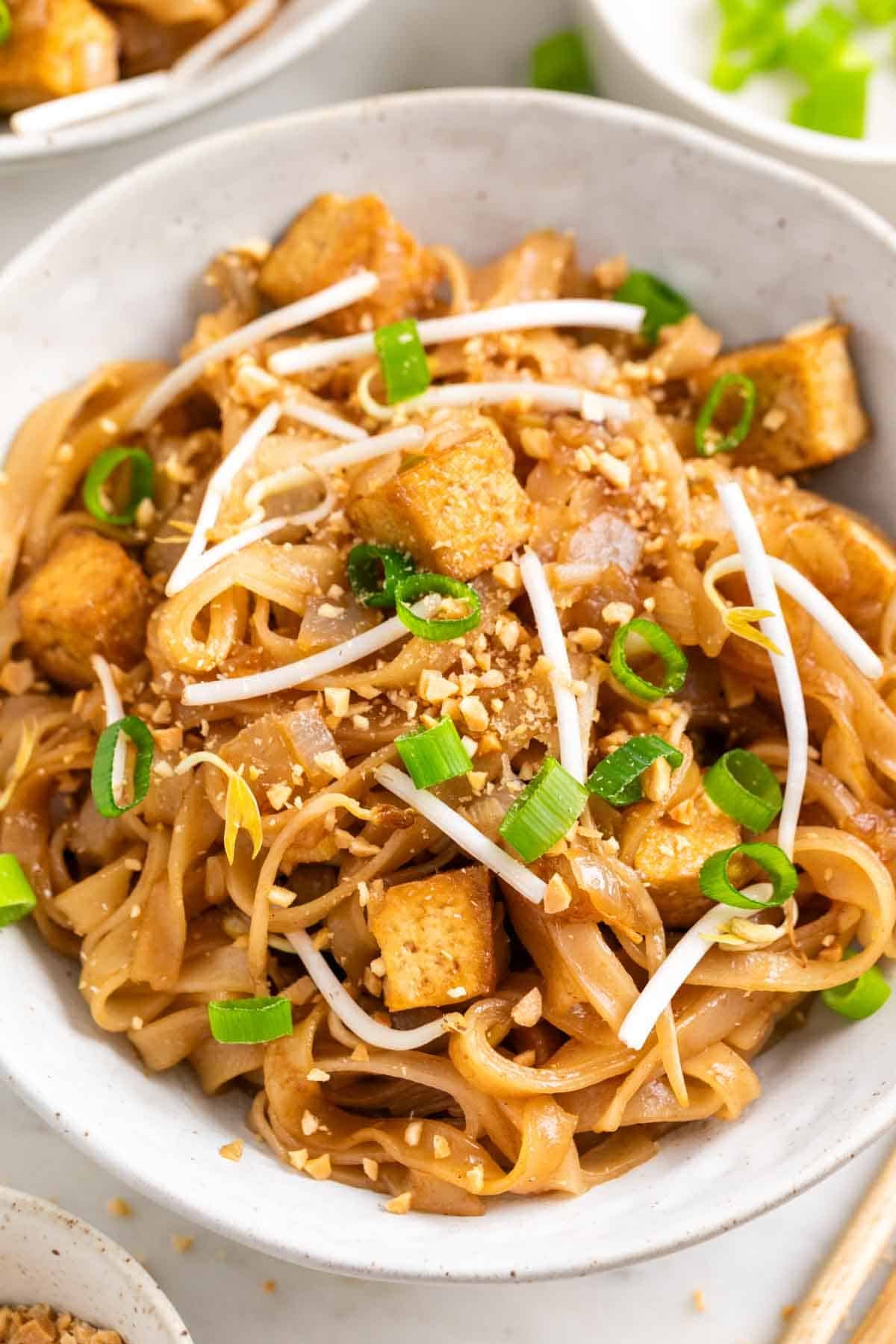
This Tofu Pad Thai is one of my favorite takeout-style dinners to make at home. It's packed with chewy rice noodles, crispy tofu, fresh veggies, and a sweet, tangy sauce that tastes surprisingly close to restaurant-style pad Thai. The best part is that it's made with simple ingredients and comes together in about 30 minutes, making it perfect for busy weeknights.
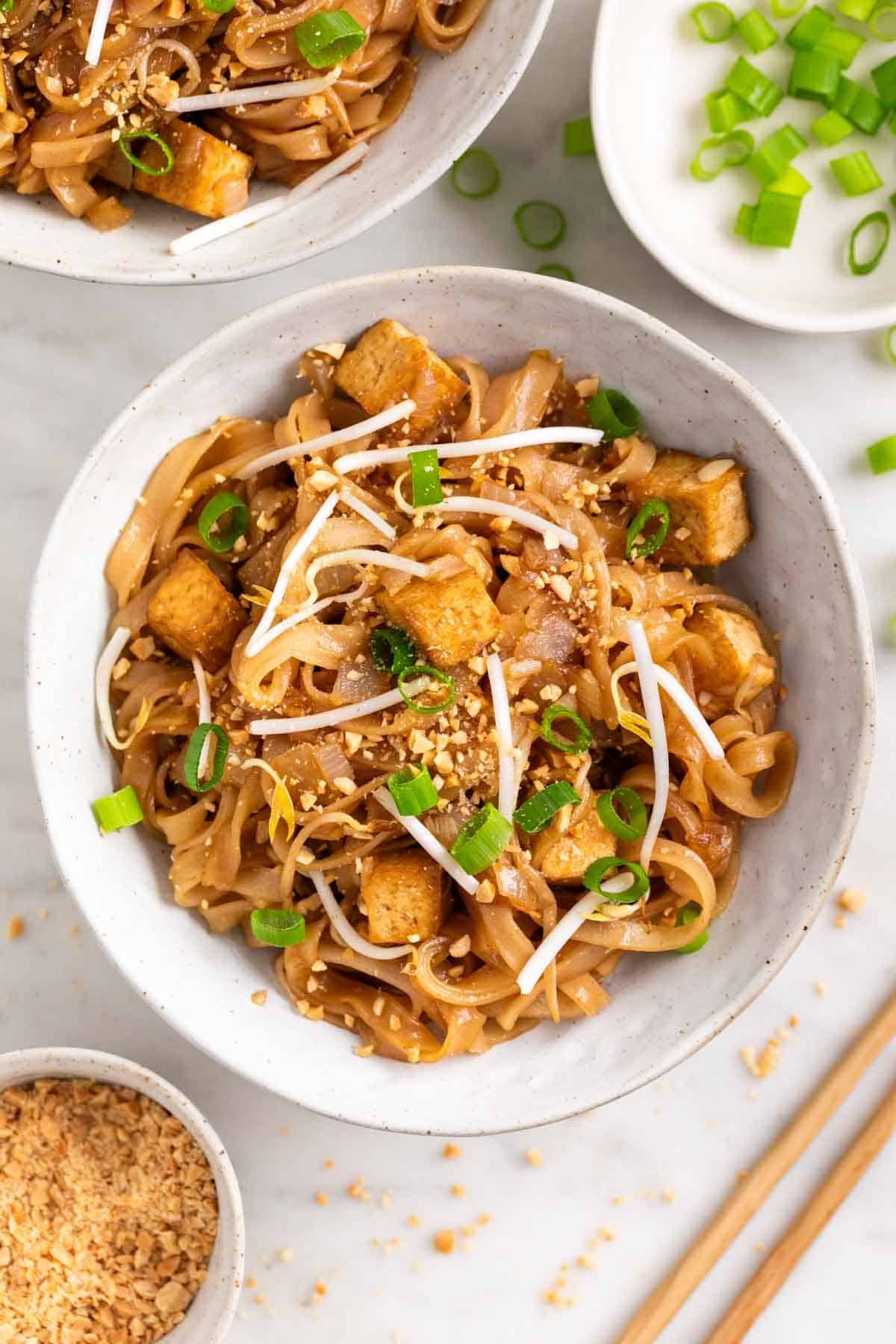
Traditional Pad Thai is usually made with fish sauce, eggs, and sometimes shrimp or chicken, but this vegan version is just as flavorful and satisfying. I used tofu as the protein and swapped the traditional fish sauce for Vegan Fish Sauce, while keeping classic ingredients like rice noodles, tamarind, brown sugar, bean sprouts, and peanuts. The result is a flavorful noodle dish with the perfect balance of sweet, savory, tangy, and salty flavors.
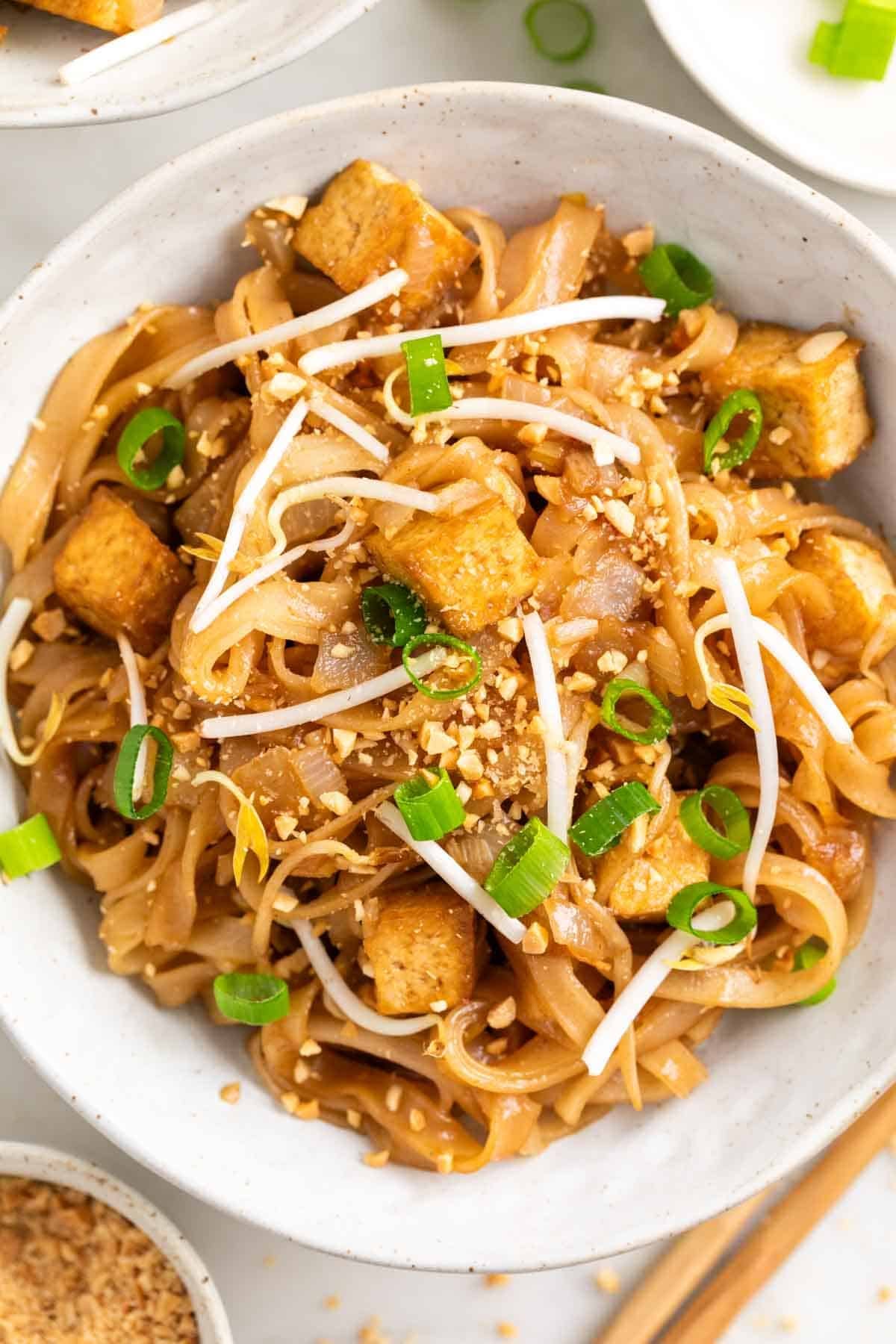
I like serving it with extra bean sprouts, the green parts of the green onions, chopped peanuts, and lime wedges on top for even more flavor and texture. It's great for lunch or dinner and works well for meal prep because the leftovers keep well in the fridge for a few days. If you're making it ahead, I recommend storing the toppings separately so everything stays fresh and crunchy.
Looking for more Thai-inspired recipes? If you enjoy the sweet, savory, and tangy flavors in this recipe, you should also try my Vegan Tom Kha Soup, Vegan Thai Soup, and Drunken Noodles. They're all easy to make at home and perfect if you want to explore more fresh and flavorful Thai-inspired dishes.
Why You'll Love This Tofu Pad Thai
Here are a few reasons to give it a try:
- Better than takeout: It has the perfect balance of sweet, savory, and tangy flavors, and tastes like restaurant-style pad Thai made at home.
- Quick and easy: This recipe comes together in about 30 minutes, making it perfect for busy weeknights.
- Full of texture: You get chewy rice noodles, golden tofu, crunchy peanuts, and fresh bean sprouts in every bite.
- Naturally dairy-free and easy to make vegan: Traditional pad Thai usually contains fish sauce and eggs, but this version keeps all the classic flavors without any animal products.
- Great for meal prep: The leftovers keep well in the fridge, so it's a great option for lunches or easy dinners throughout the week.
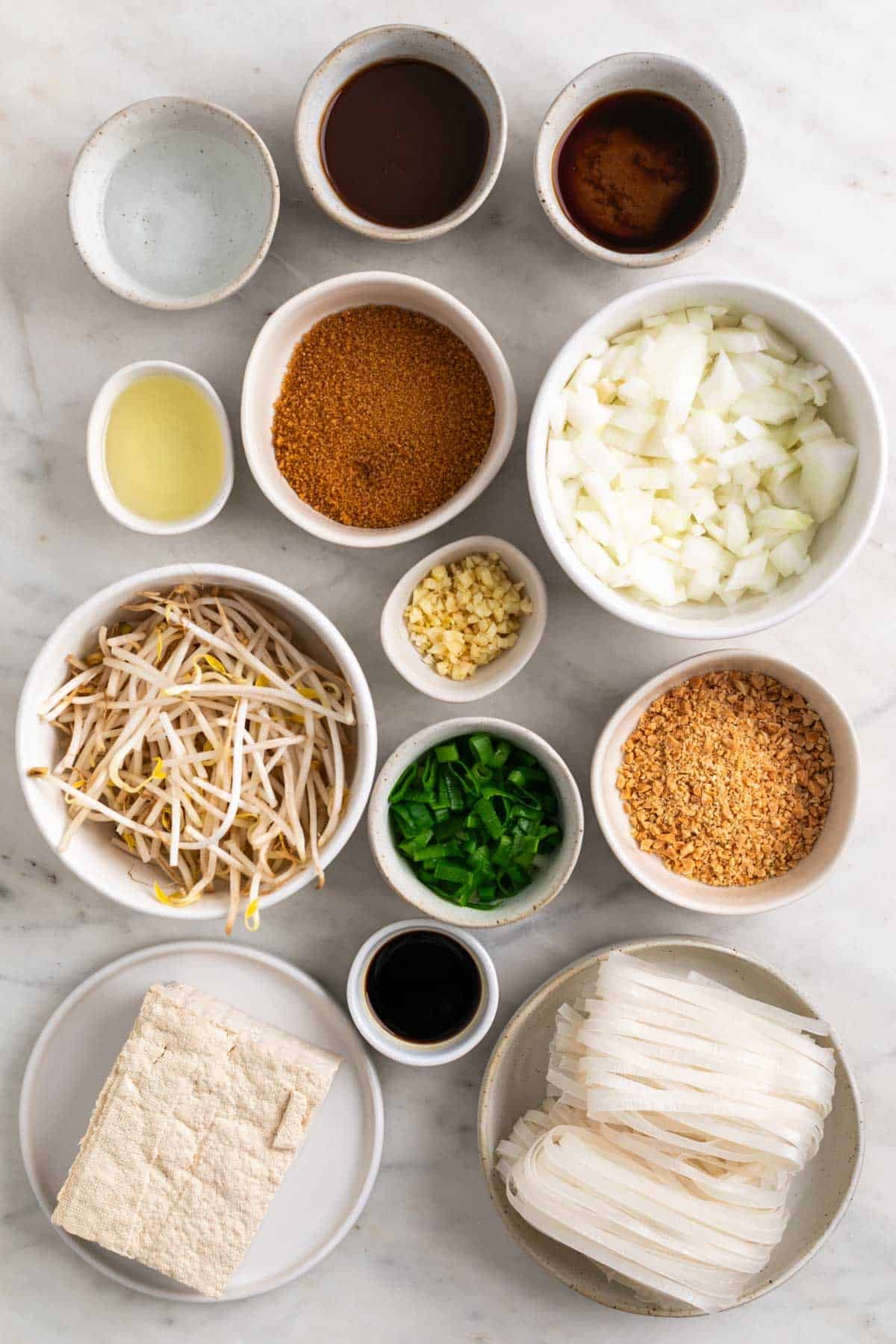
Tofu Pad Thai Ingredients
- Firm or extra-firm tofu: Both work well for this recipe because they hold their shape when cooked. I don't recommend soft or silken tofu, as they're too delicate and can fall apart in the pan. Pat it dry before cooking if needed.
- Rice noodles: Traditional pad Thai is made with rice noodles. Pad Thai or stir-fry rice noodles work best for this recipe.
- Neutral oil: I like using vegetable or canola oil because they have a mild flavor, but avocado oil also works.
- Garlic: Fresh garlic adds lots of flavor to the sauce and stir fry.
- Onion: Yellow onion works best here because it becomes slightly sweet when cooked, but white onion can also be used.
- Bean sprouts: They add freshness and crunch. I like using fresh mung bean sprouts.
- Green onions: The white parts are cooked with the onion and garlic, while the green parts are used as a topping.
- Peanuts: Chopped peanuts add crunch and flavor. You can use roasted peanuts or substitute them with cashews if needed.
- Brown sugar: It adds sweetness and helps balance the salty and tangy flavors. Coconut sugar also works well.
- Vegan fish sauce: It adds a deep savory flavor similar to traditional pad Thai. You can find it at some grocery stores, Asian markets, or online, or make your own homemade Vegan Fish Sauce. If needed, you can replace part of it with extra soy sauce, although the flavor won't be exactly the same.
- Tamarind paste: This is one of the key ingredients in pad Thai and gives the sauce its classic tangy flavor. Make sure to use tamarind paste, not tamarind concentrate. If you can't find it, you can use lime juice or rice vinegar instead, although the flavor won't be exactly the same.
- Water: Helps thin out the sauce so it coats the noodles evenly.
- Soy sauce: Adds extra salty and savory flavor. Tamari works too for a gluten-free option, and low-sodium soy sauce is a great choice if you want to reduce the sodium.
Find the full recipe with exact measurements in the recipe card below.
How to Make Tofu Pad Thai
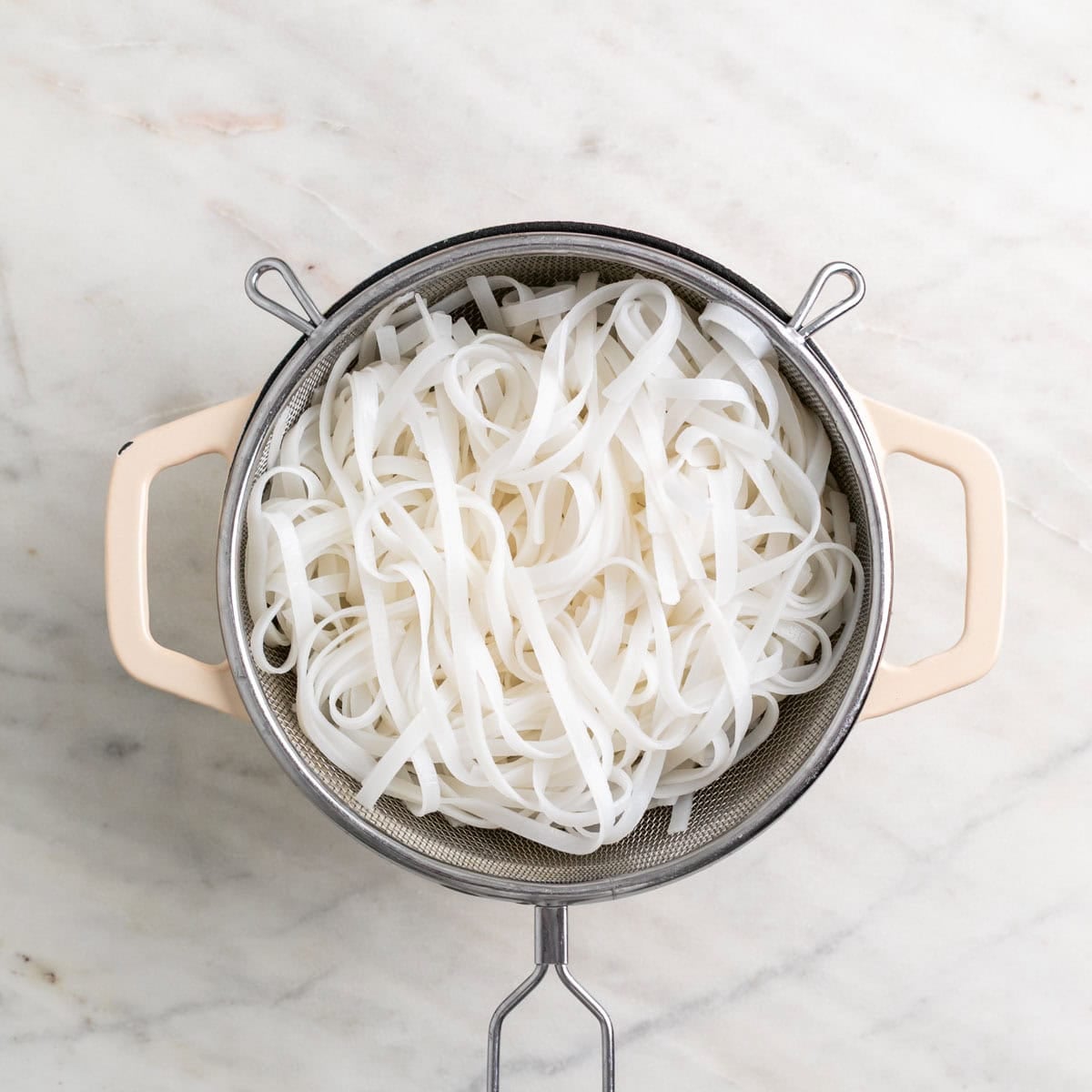
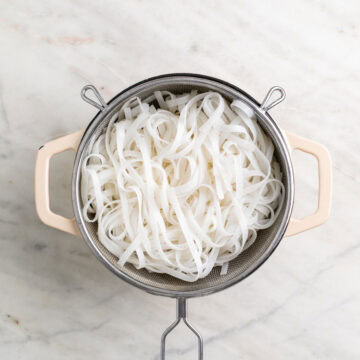
- Prepare the rice noodles following the package directions until they're tender but still slightly firm. Drain, rinse under cold water, and set aside.
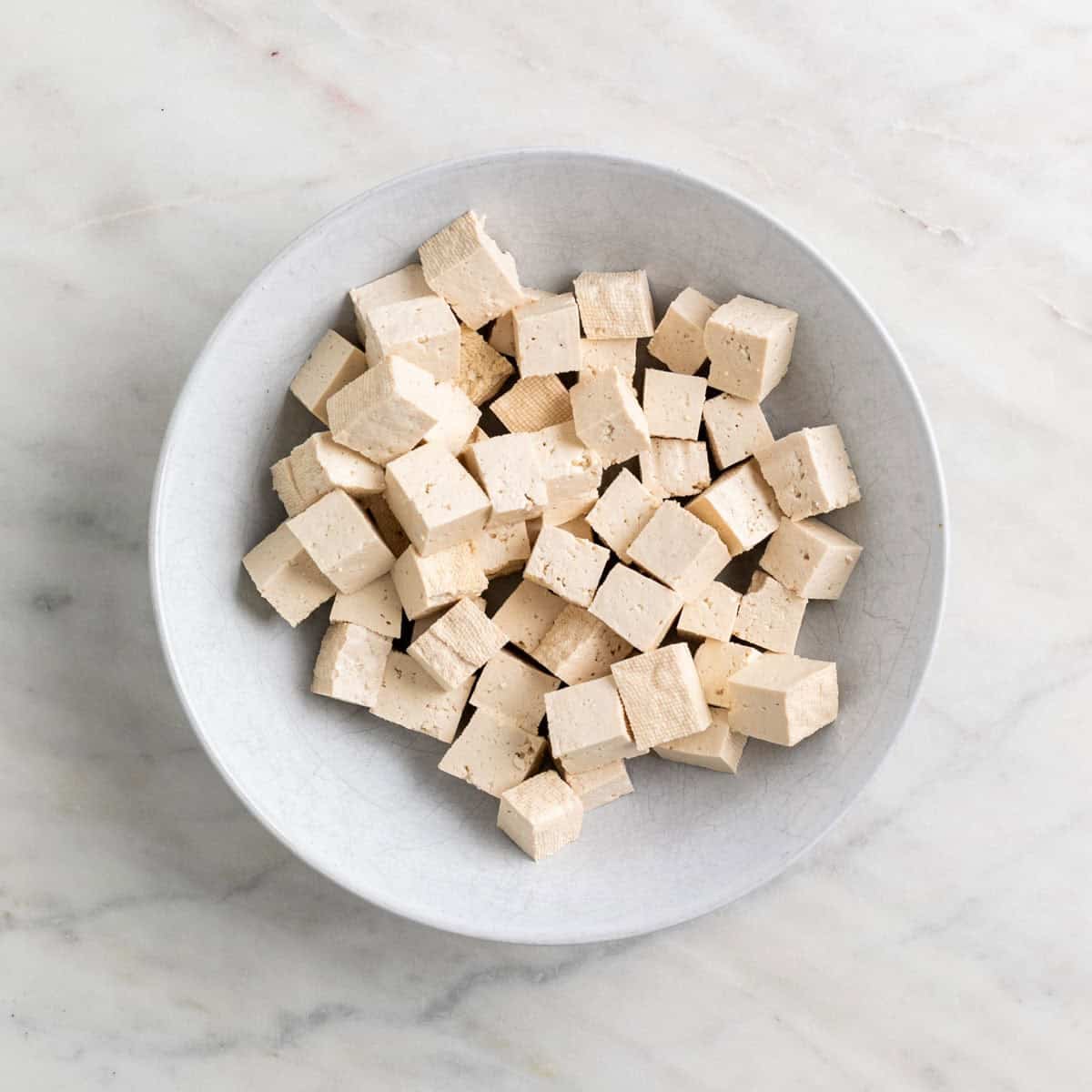
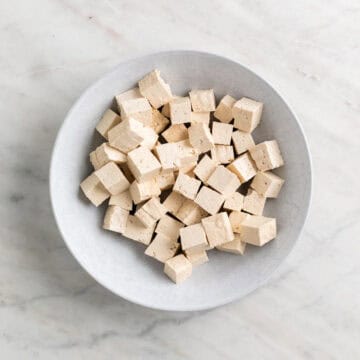
- Pat the tofu dry with paper towels or a clean kitchen towel, then cut it into cubes.
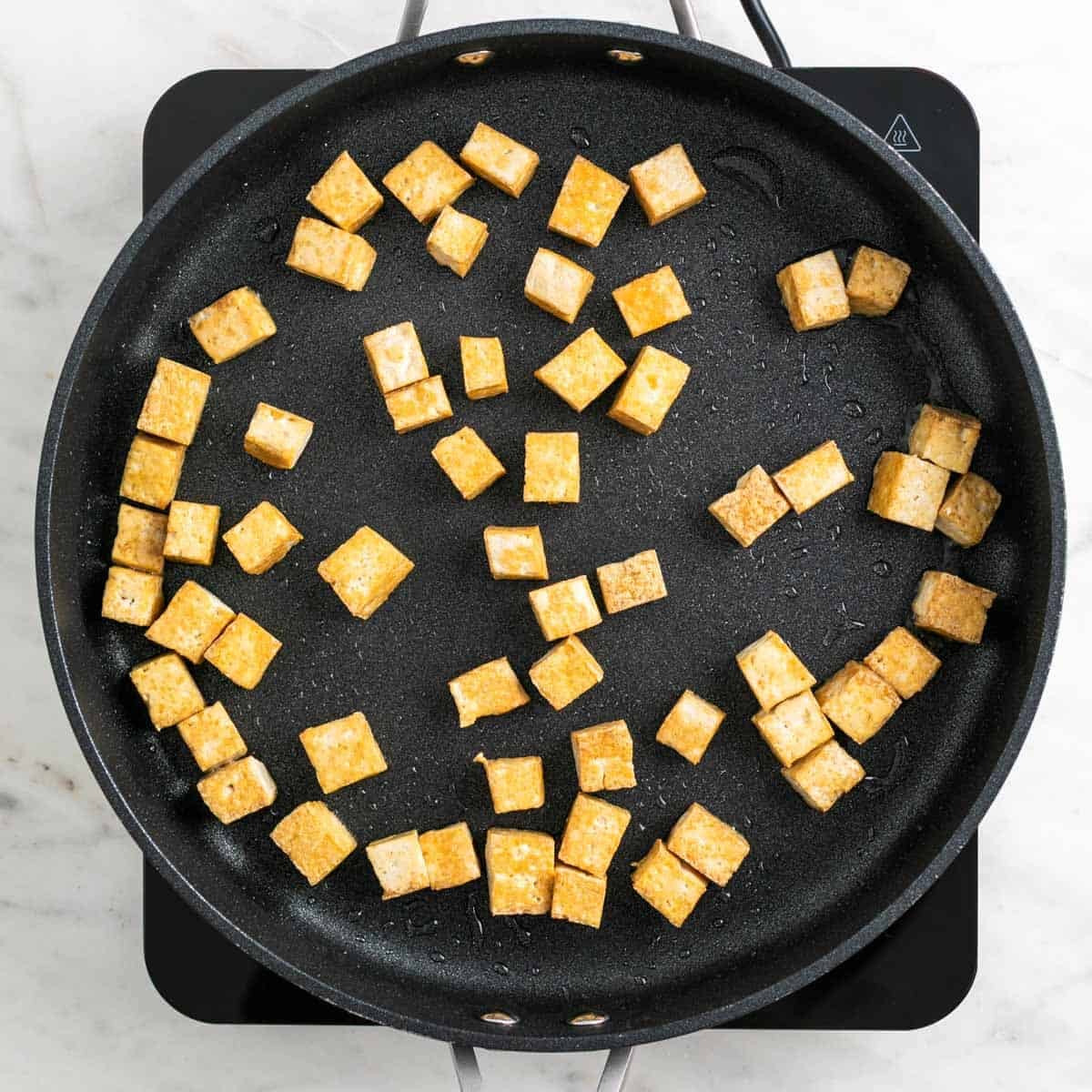
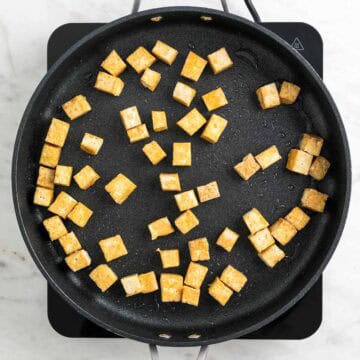
- Cook the tofu in 1 tablespoon of oil over medium-high heat for 5-10 minutes, turning occasionally, until golden brown on most sides. Transfer to a plate.
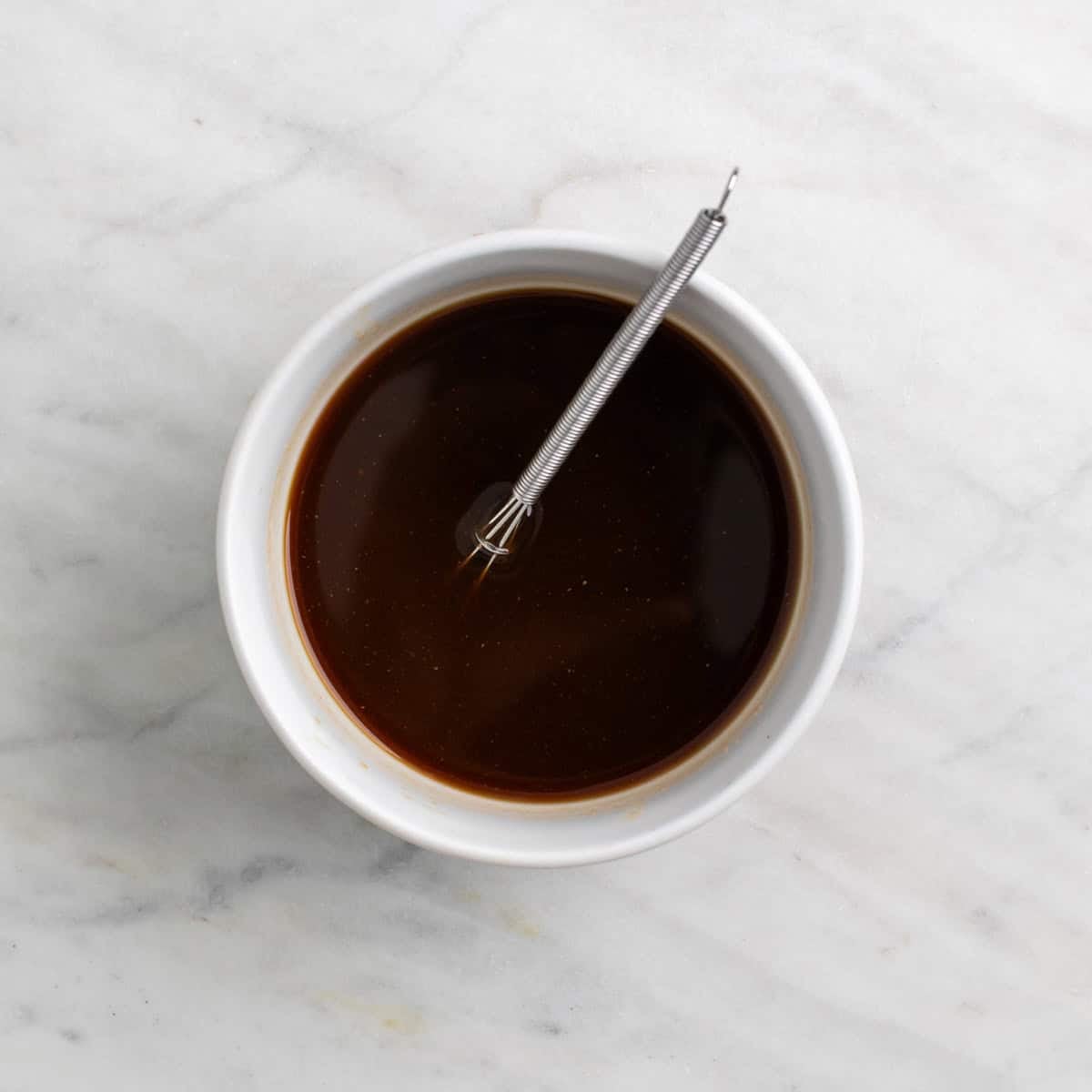
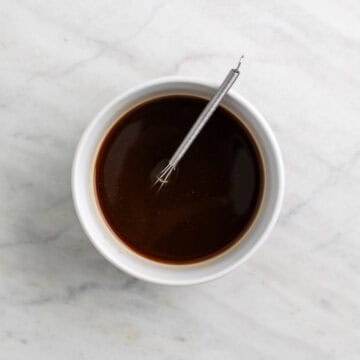
- Mix the tamarind paste, brown sugar, vegan fish sauce, water, and soy sauce in a small bowl until smooth.
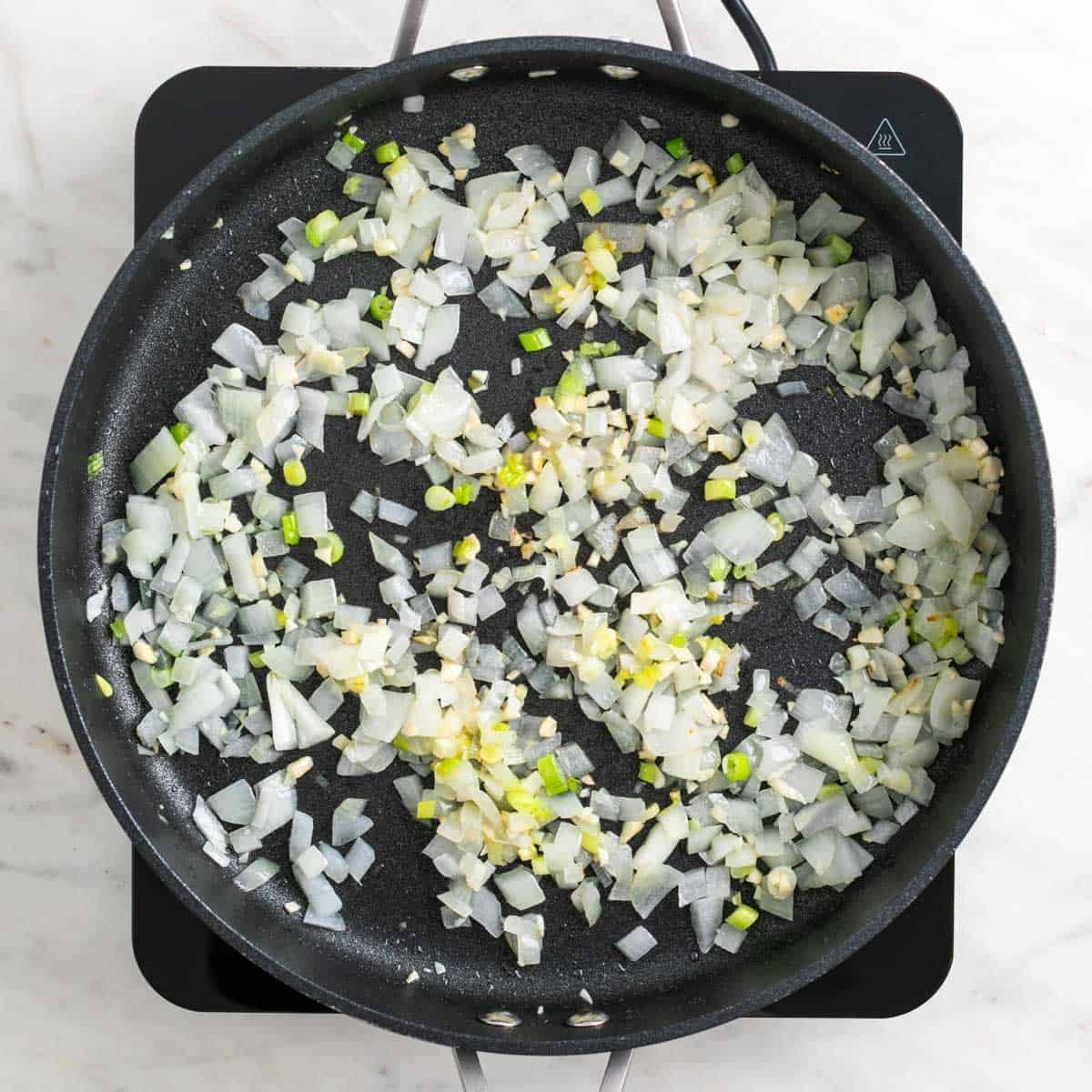
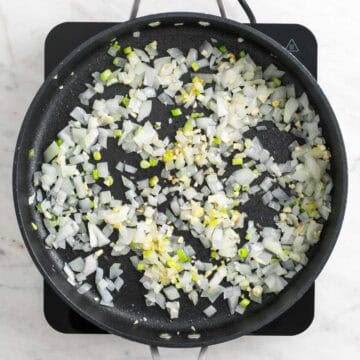
- Add the remaining oil to the same wok or skillet. Cook the onion, garlic, and the white parts of the green onions for 3-5 minutes, stirring often.
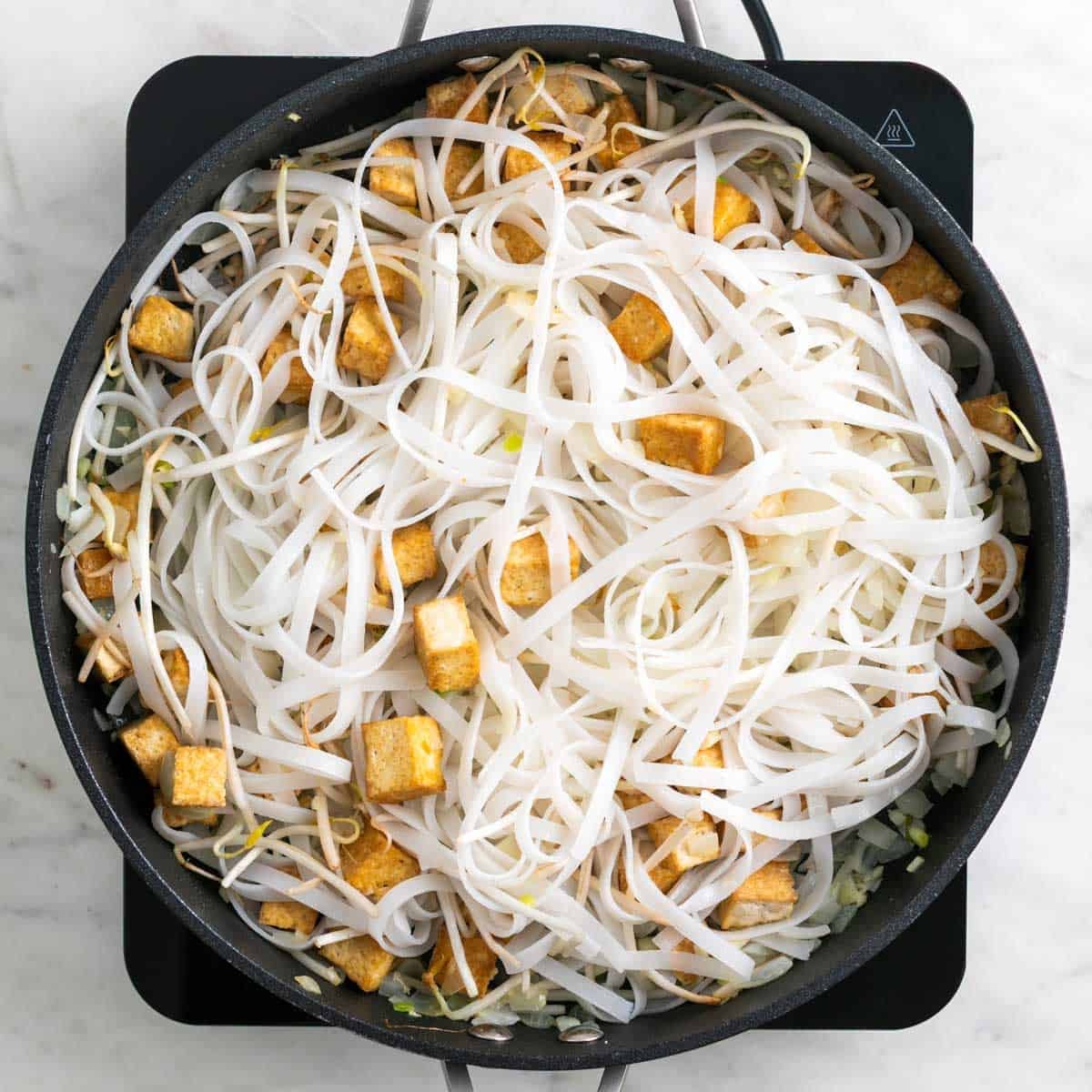
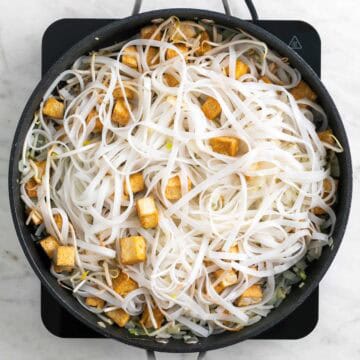
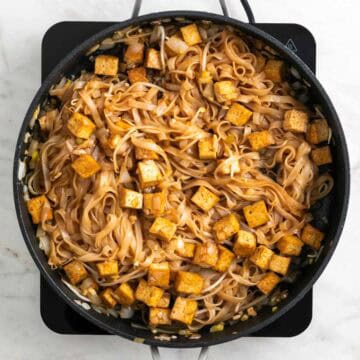
- Add the noodles, cooked tofu, and about ¾ cup of the bean sprouts. Toss everything together and cook for 1-2 minutes.
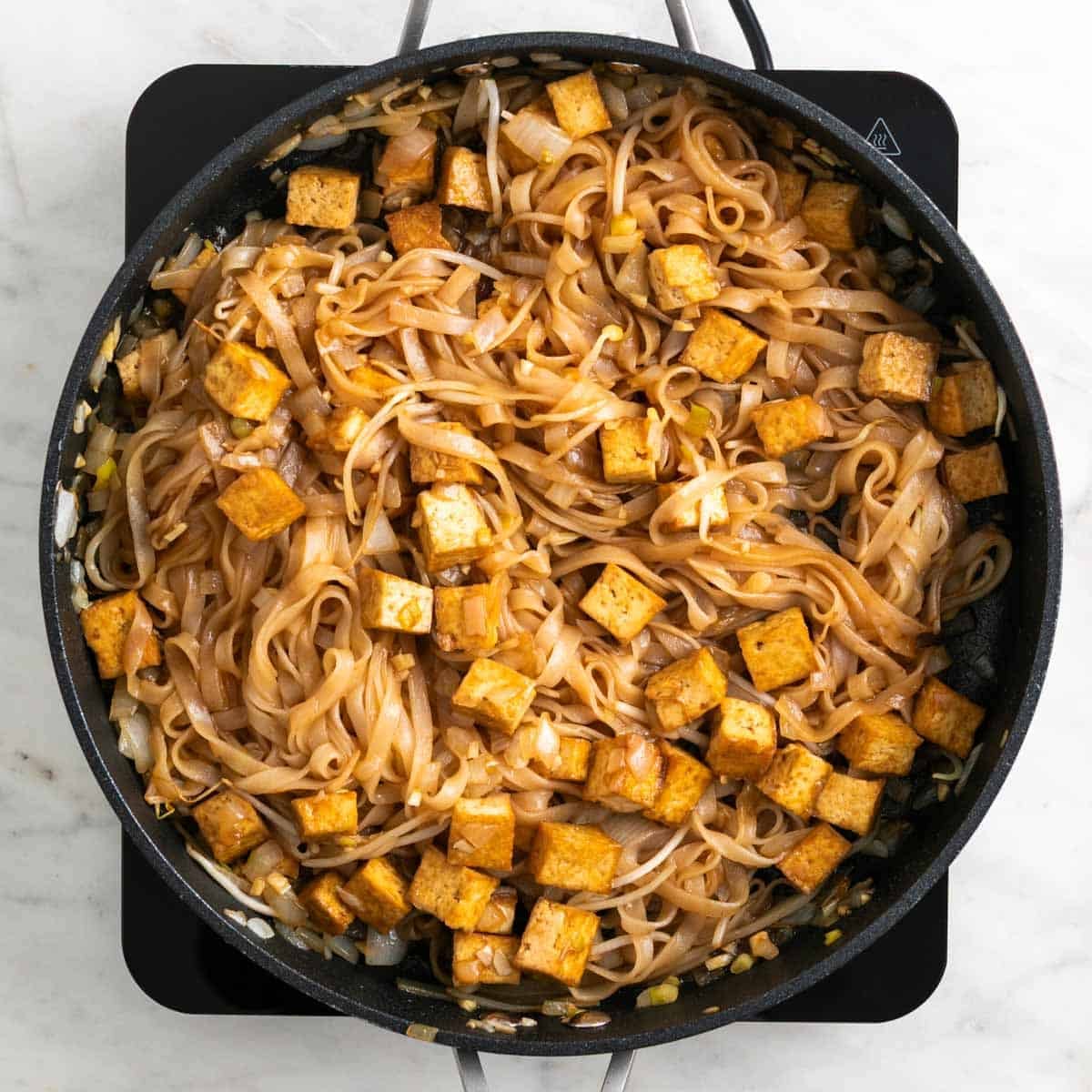
- Pour in the sauce and stir continuously for 2-3 minutes until the noodles are evenly coated. Add a splash of water if needed.
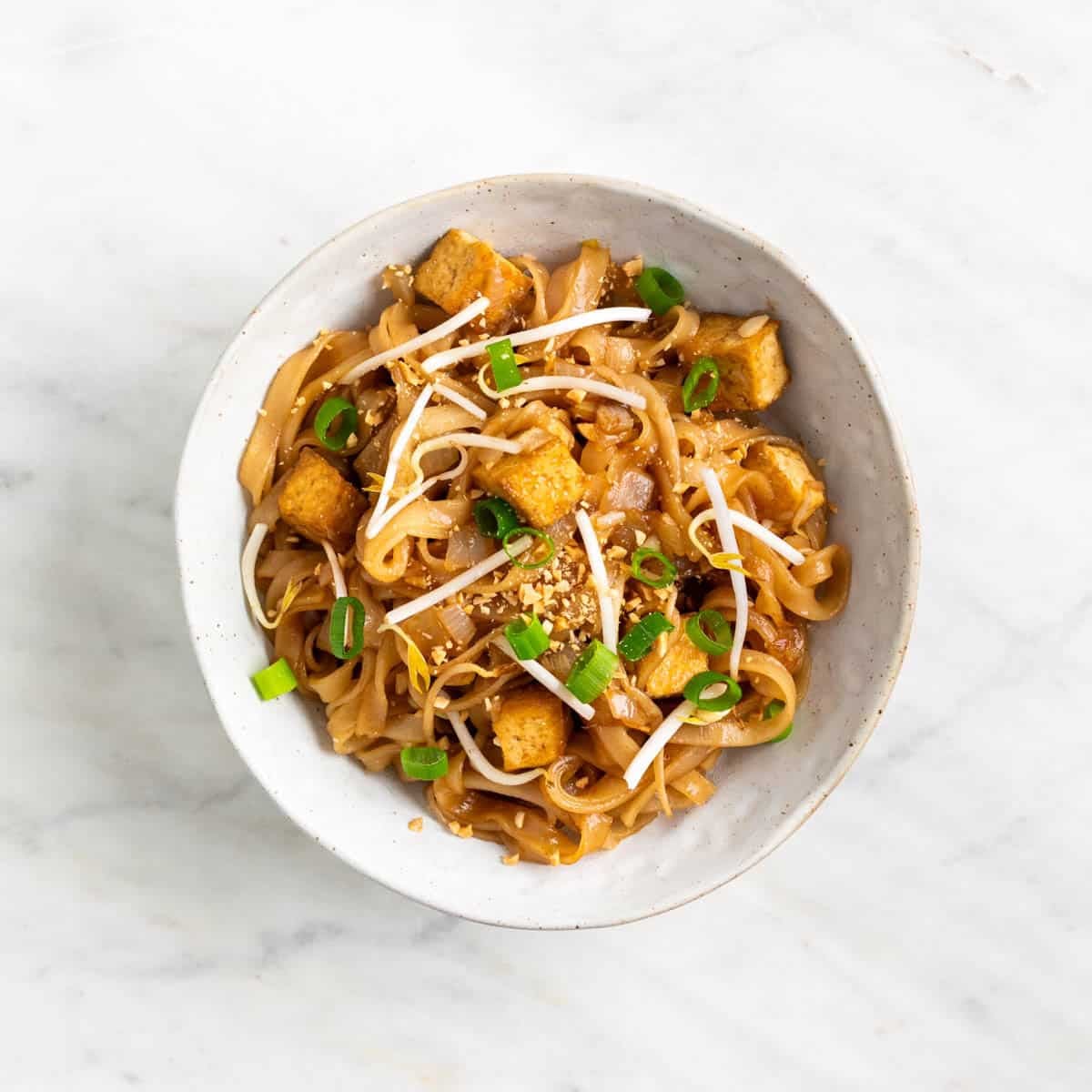
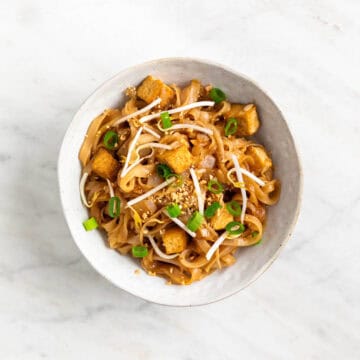
- Top with the remaining bean sprouts, the green parts of the green onions, chopped peanuts, and lime wedges before serving.
Tips for the Best Results
- Don't overcook the noodles: Rice noodles can become mushy very quickly, so cook or soak them just until tender but still slightly firm.
- Use medium-high heat: Cooking the pad Thai over medium-high heat helps the tofu brown nicely and keeps the noodles from getting soggy.
- Prep everything before cooking: This recipe comes together fast, so it's best to have all the ingredients ready before you start.
- Adjust the sauce to taste: Pad Thai should have a balance of sweet, salty, and tangy flavors, so feel free to add a little more sugar, soy sauce, or tamarind if needed.
- Serve it right away: Pad Thai tastes best freshly made while the noodles are soft and the toppings are still crunchy.
Serving Suggestions
This Tofu Pad Thai is delicious on its own, but you can also serve it with some fresh and flavorful sides for a more complete meal.
- Thai Cucumber Salad: Something fresh and crunchy pairs perfectly with the rich noodles and savory sauce.
- Vegan Spring Rolls: Crispy spring rolls make a delicious appetizer to serve with these noodles.
- Vegan Miso Soup: A warm soup is an easy way to make dinner feel even more comforting.
- Thai Mango Sticky Rice: One of my favorite desserts and the perfect sweet finish after a savory noodle dish.
- Thai iced tea or iced green tea: Both are refreshing drinks that pair really well with savory noodle dishes.
How to Store and Reheat Leftovers
- Fridge: Store the leftovers in an airtight container in the refrigerator for up to 4 days.
- Freezer: You can freeze it for up to 2 months, although the noodles may soften slightly after thawing.
- Thaw: Transfer the leftovers to the fridge the night before so they thaw slowly.
- Reheat: Reheat in a skillet over medium heat with a splash of water to help loosen the noodles. You can also microwave it until warmed through.
Frequently Asked Questions
Not necessarily. Tofu is often used in Thai cooking without pressing it first. However, pressing helps remove excess moisture, which can make the tofu slightly crispier and help it brown better in the pan. If you want to press it, check out my How to Press Tofu post.
Rice noodles are the traditional choice for pad Thai. I recommend using pad Thai or stir-fry style rice noodles for the best texture.
Yes, although tamarind gives pad Thai its classic tangy flavor. If you can't find it, you can use lime juice or rice vinegar instead.
Traditional pad Thai is not usually vegan because it often contains fish sauce and eggs. This version uses vegan fish sauce instead, but still keeps the classic sweet, savory, and tangy flavor combination.
Rice noodles can be tricky because different brands cook differently. It's best to follow the package directions and cook or soak them just until tender but still slightly firm, since they continue cooking in the pan.
More Vegan Asian Recipes
Did you make this recipe? Leave a comment and a rating below. I'd love to hear how it turned out!
Love it? Leave a rating!
Tofu Pad Thai
Ingredients
For the pad Thai:
- 1 (14-ounce) block firm or extra-firm tofu
- 8 ounces rice noodles
- 2 tablespoons neutral oil, like vegetable or canola oil
- 4 garlic cloves, minced
- 1 yellow onion, chopped
- 1 cup fresh bean sprouts, divided
- 2 green onions, sliced, white and green parts separated
- ¼ cup peanuts, chopped
For the sauce:
- ¼ cup brown sugar
- ¼ cup vegan fish sauce, see notes for substitutions
- 3 tablespoons tamarind paste, see notes for substitutions
- 3 tablespoons water
- 2 tablespoons soy sauce, low-sodium if needed
Instructions
- Prepare the rice noodles according to the package directions until tender but still slightly firm. Drain, rinse with cold water, and set aside.

- Wrap the tofu in paper towels or a clean kitchen towel and gently press to remove excess moisture. Cut into cubes.
- Heat 1 tablespoon of oil in a large skillet or wok over medium-high heat. Add the tofu and cook for 5-10 minutes, turning occasionally, until golden brown and crispy. Remove from the pan and set aside.
- In a small bowl, whisk together the brown sugar, vegan fish sauce, tamarind paste, water, and soy sauce until well combined. Set aside.
- Heat the remaining oil in the same skillet or wok. Add the onion, garlic, and the white parts of the green onions. Cook over medium-high heat for 3-5 minutes, stirring frequently, until softened and fragrant.
- Add the cooked noodles, tofu, and about ¾ cup of the bean sprouts. Toss gently to combine and cook for 1-2 minutes over medium-high heat.
- Pour in the sauce and cook for 2-3 minutes, stirring constantly, until everything is well coated and heated through. If the noodles look dry, add a splash of water and toss again.
- Serve immediately topped with chopped peanuts, the remaining bean sprouts, the green parts of the green onions, and lime wedges if desired.
Notes
- If you can't find vegan fish sauce, you can use soy sauce instead, but use a smaller amount or the dish may turn out too salty.
- If you can't find tamarind paste, you can use lime juice or rice vinegar instead. Start with a smaller amount and adjust to taste since both are more acidic than tamarind.
- Store the leftovers in an airtight container in the refrigerator for up to 4 days.
- Freeze it for up to 2 months if needed, although the noodles may become a bit softer after thawing.
- Let it thaw in the fridge overnight before reheating.
- Warm it up in a skillet over medium heat with a splash of water, or microwave until hot.



About Iosune
Hi, I’m Iosune! I’m a food lover, home cook, recipe creator, and co-founder of Simple Vegan Blog, which I started in 2014 to show how easy and delicious vegan cooking can be.