


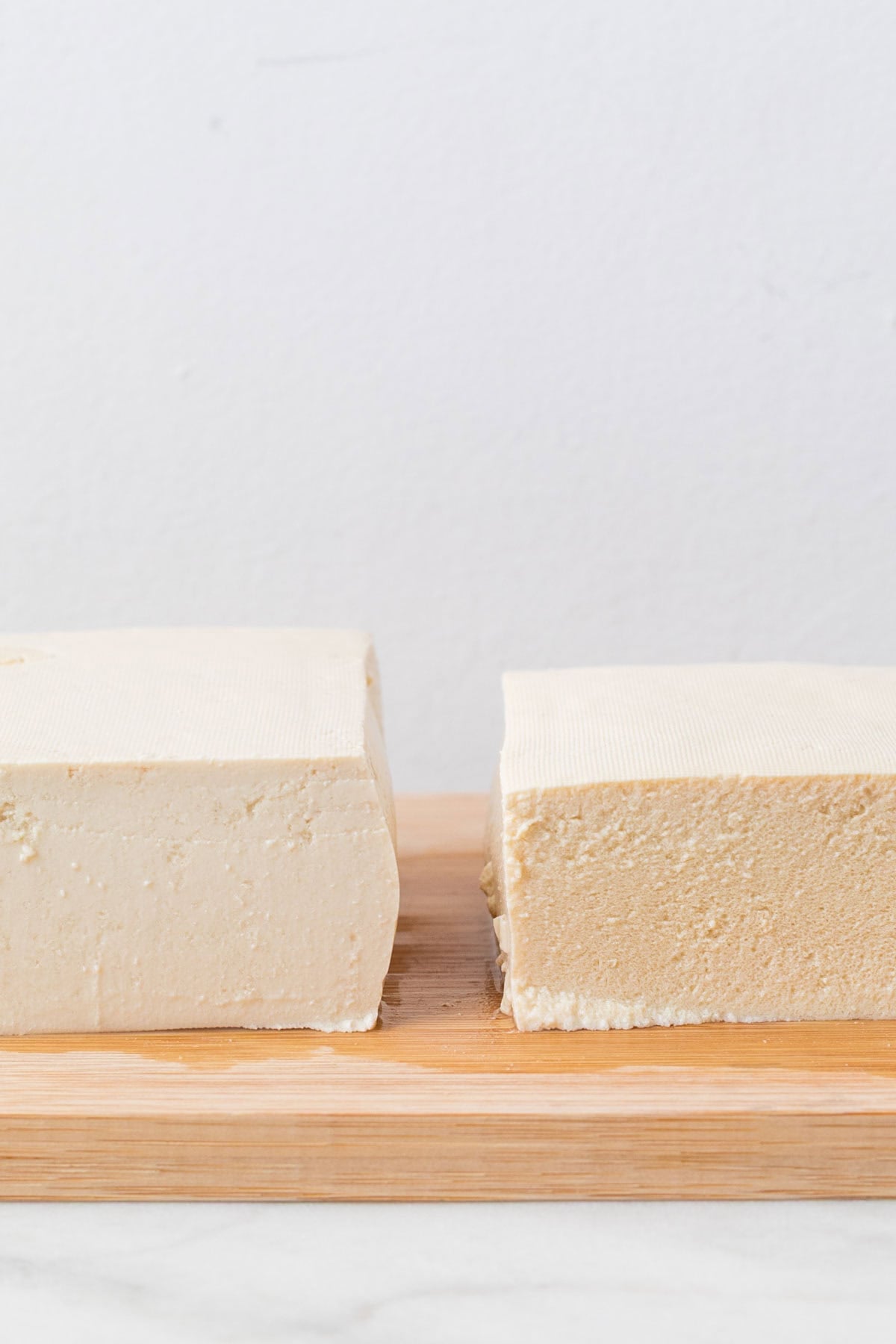
Freezing tofu is a simple way to change its texture. Once thawed, it becomes firmer, chewier, and more porous, which helps it absorb marinades and sauces much better. In this complete guide, you'll learn how to freeze tofu step by step and the best ways to use it afterwards.
Jump to:
- Can You Freeze Tofu?
- Why Freeze Tofu?
- What Kind of Tofu Can You Freeze?
- How to Freeze Tofu
- How Long Does It Take to Freeze Tofu?
- How to Thaw Frozen Tofu
- Tips for Freezing Tofu
- Do You Need to Press Tofu After Freezing?
- How to Use Frozen Tofu
- When Not to Freeze Tofu
- Frequently Asked Questions
- More Vegan Tofu Recipes
- How to Freeze Tofu
Can You Freeze Tofu?
Yes, you can freeze tofu, and it's actually a great way to change its texture. When tofu freezes, the water inside expands and creates small pockets that make it firmer, chewier, and more porous once thawed. This helps the tofu absorb marinades and sauces much better, making it especially useful for many cooked dishes.
Why Freeze Tofu?
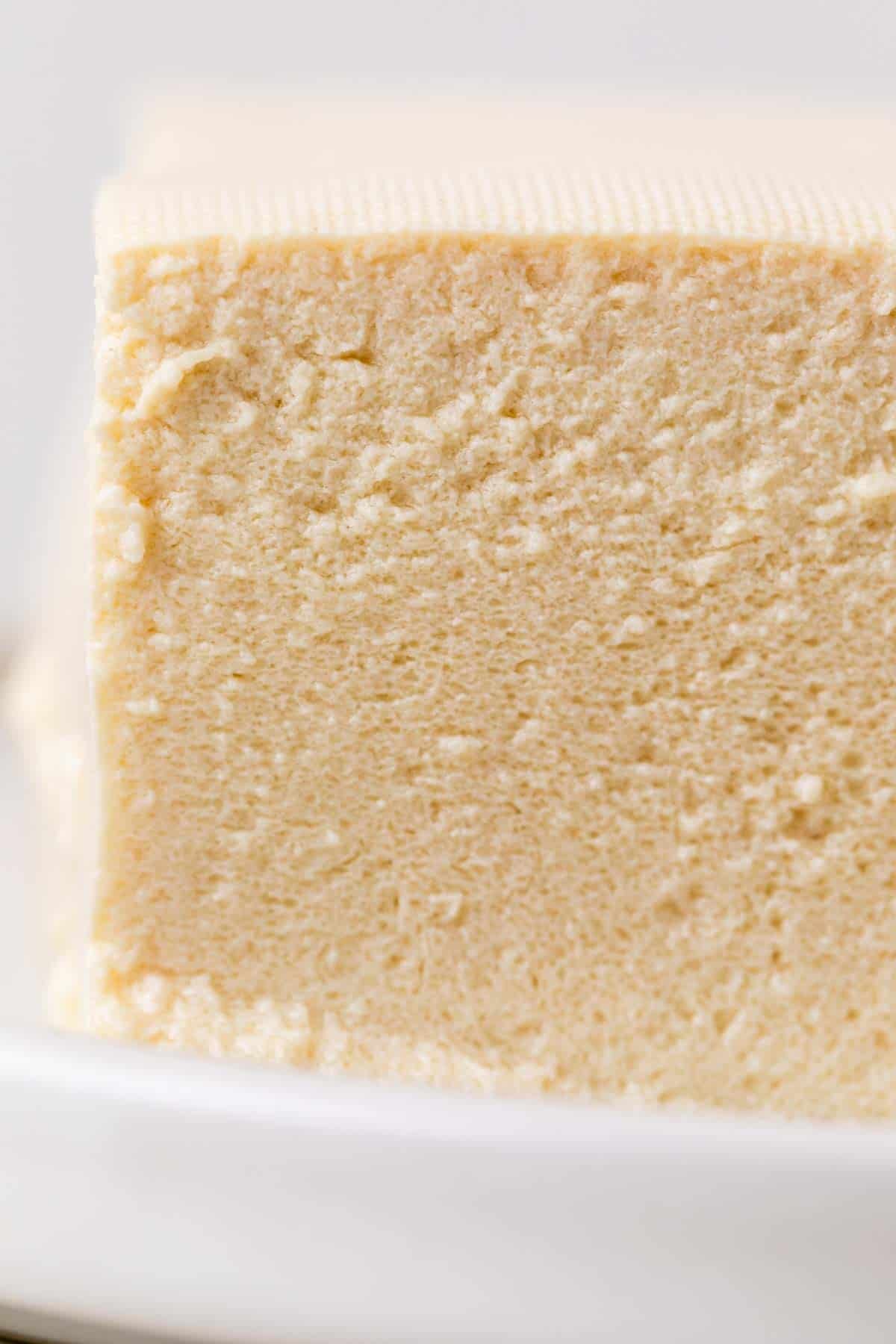
Freezing tofu changes its texture and makes it more versatile in many recipes. After thawing, the tofu becomes firmer and slightly chewy, with small holes that help it absorb marinades, sauces, and broths more easily. It can also help tofu last longer in the freezer, which is useful if you want to store it for later use.
It changes the texture
When tofu freezes, the water inside expands and forms ice crystals. Once thawed, these crystals leave small pockets in the tofu, creating a firmer, spongier texture that many people prefer for cooking.
It absorbs marinades better
Because frozen tofu develops a more porous texture, it can soak up marinades and sauces more effectively. This helps the flavor penetrate deeper instead of staying only on the surface.
It can last longer
Freezing tofu also helps extend its shelf life. If you have tofu that you're not planning to use right away, freezing it is an easy way to keep it longer while also giving it a different texture that works well in many dishes.
What Kind of Tofu Can You Freeze?
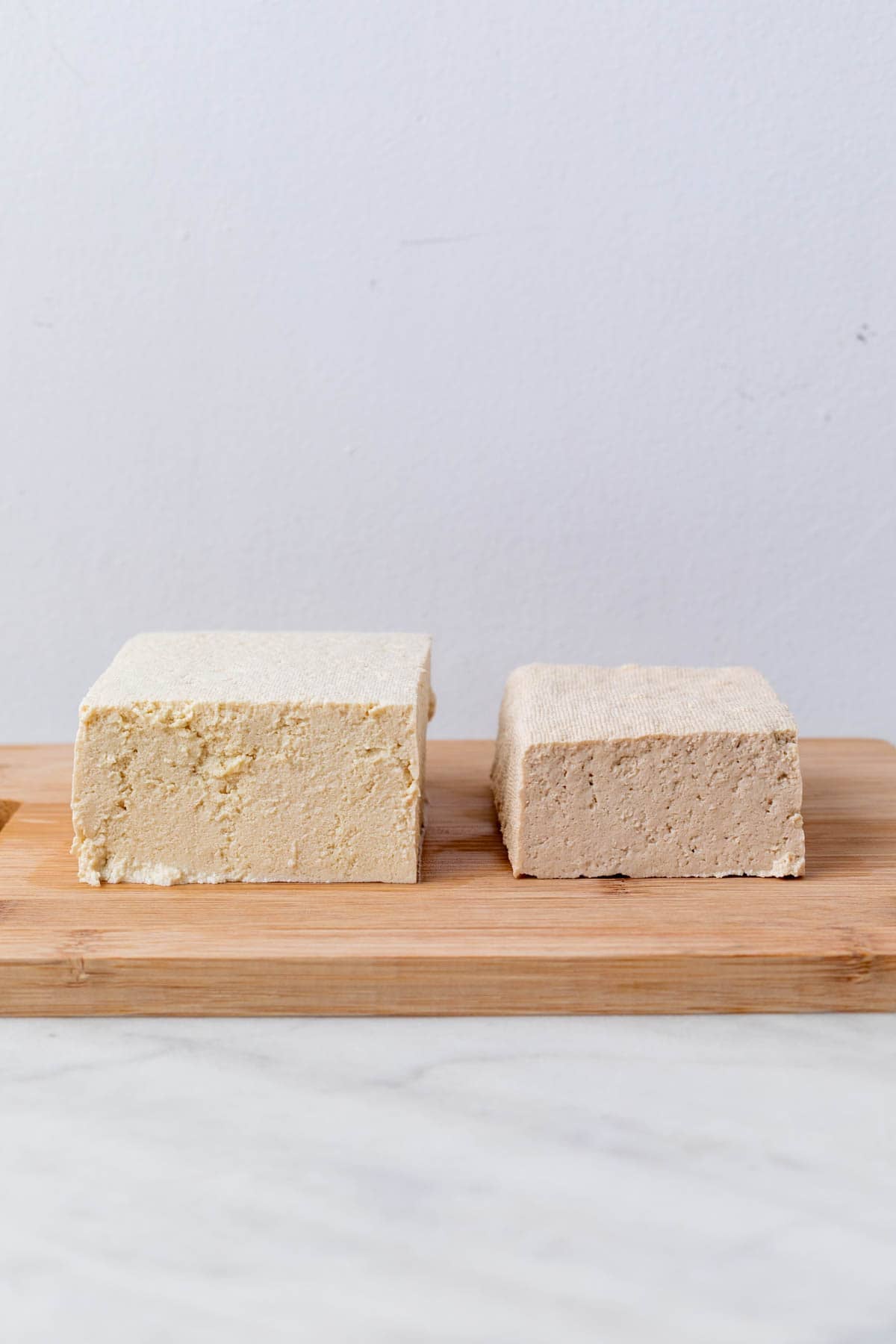
Most types of tofu can be frozen, including silken tofu, but the results depend on the firmness and water content of the tofu. In general, firm and extra-firm tofu are the most versatile options because they hold their shape well and develop a pleasant chewy texture after thawing.
However, softer and silken tofu can also work well if you don't mind losing their smooth, creamy texture. In fact, the higher the water content, the more noticeable the texture change usually becomes after freezing and thawing.
| Type of tofu | Can you freeze it? | What happens to the texture |
|---|---|---|
| Silken tofu | Yes, if you don't mind the texture change | Loses its creamy texture and becomes much more porous and spongy |
| Soft tofu | Yes | Becomes slightly firmer but still delicate |
| Medium tofu | Yes | Holds shape better and becomes slightly chewy |
| Firm tofu | Great option | Becomes firmer, spongy, and absorbs marinades well |
| Extra-firm tofu | Best option | Develops a chewy texture and is great for many recipes |
| Super-firm tofu | Great option | Very sturdy and great for frying or baking |
For most recipes, firm, extra-firm, or super-firm tofu are the most versatile choices because they hold their shape well and develop a firmer, slightly chewy texture after freezing and thawing.
How to Freeze Tofu
Freezing tofu is very simple and doesn't require any special equipment. There are two main ways to freeze tofu, depending on how you plan to use it later. You can freeze it directly in its original package or cut it into pieces first. Both methods work well, but freezing the whole block is usually the easiest option.
Method 1: Freeze tofu in the original package
This is the easiest and most convenient method because you can freeze the tofu directly in its package. It also usually creates a more noticeable texture change since the tofu freezes with all its moisture still inside.
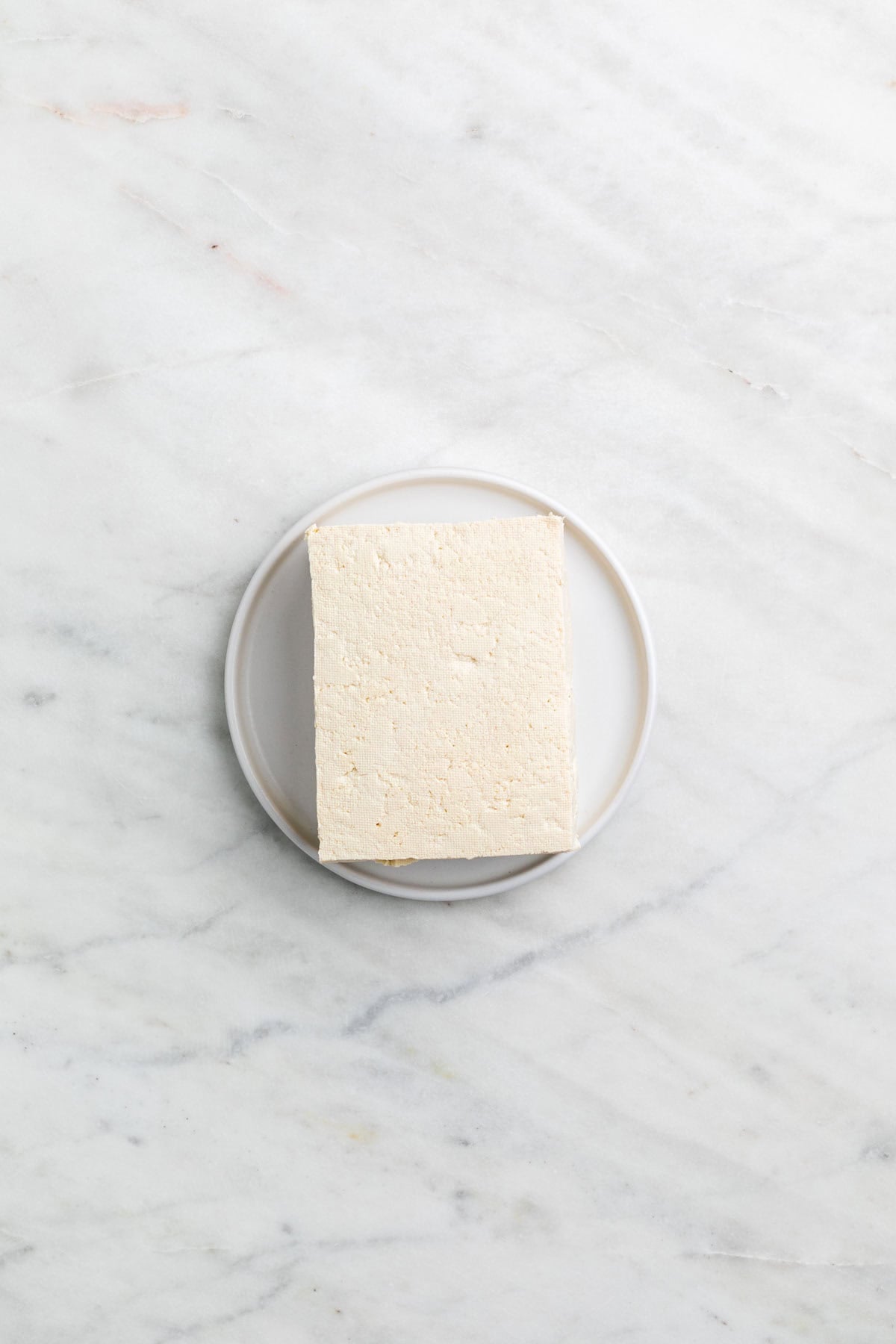
- Place the unopened package of tofu in the freezer.
- Freeze until completely solid, usually overnight.
- Transfer the tofu to the refrigerator and let it thaw completely.
- Open the package, drain the water, and gently squeeze out some excess moisture before using.
Method 2: Freeze tofu cut into cubes or slices
This method is convenient if you want tofu pieces ready to cook later.
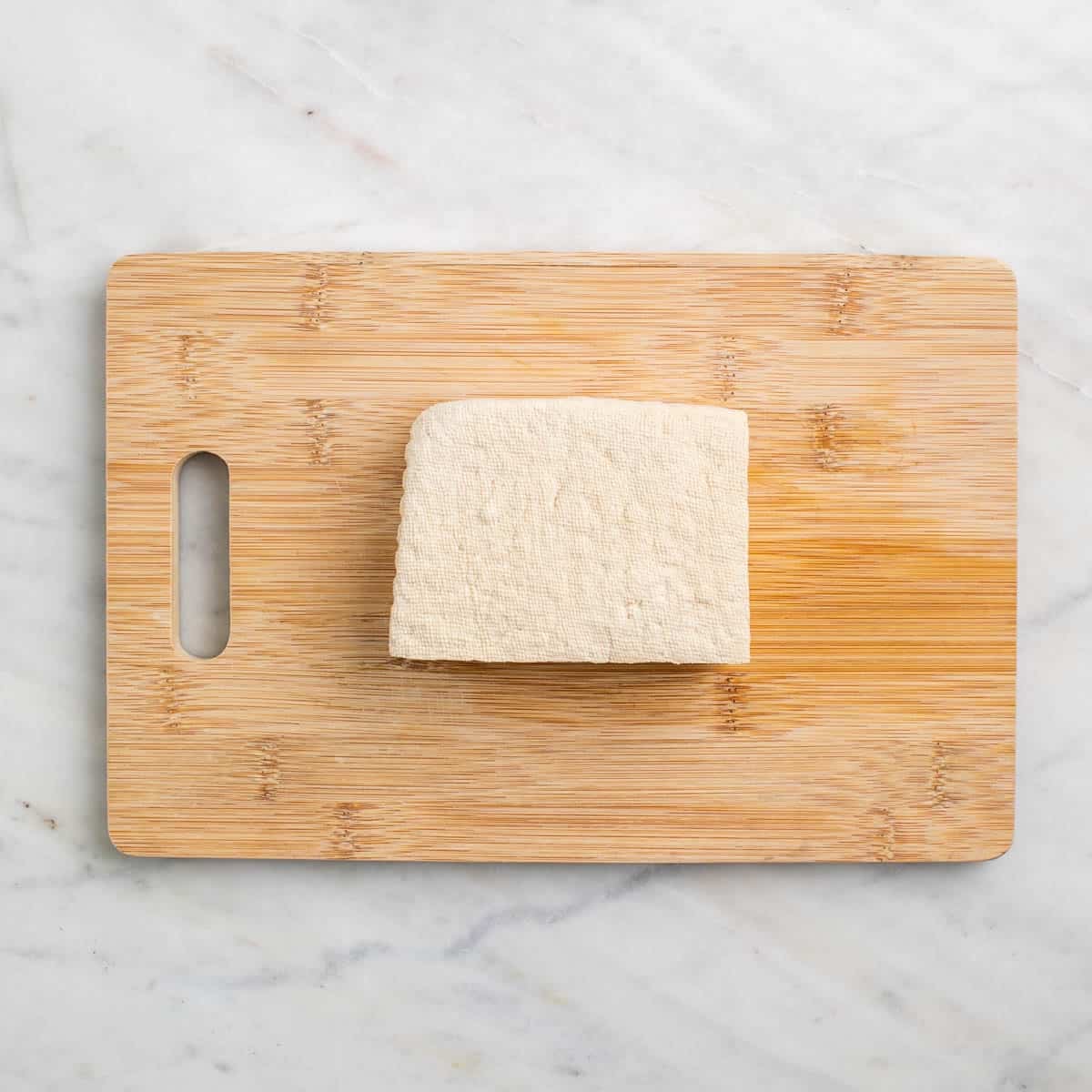
- Drain the tofu and pat it dry with a clean towel.
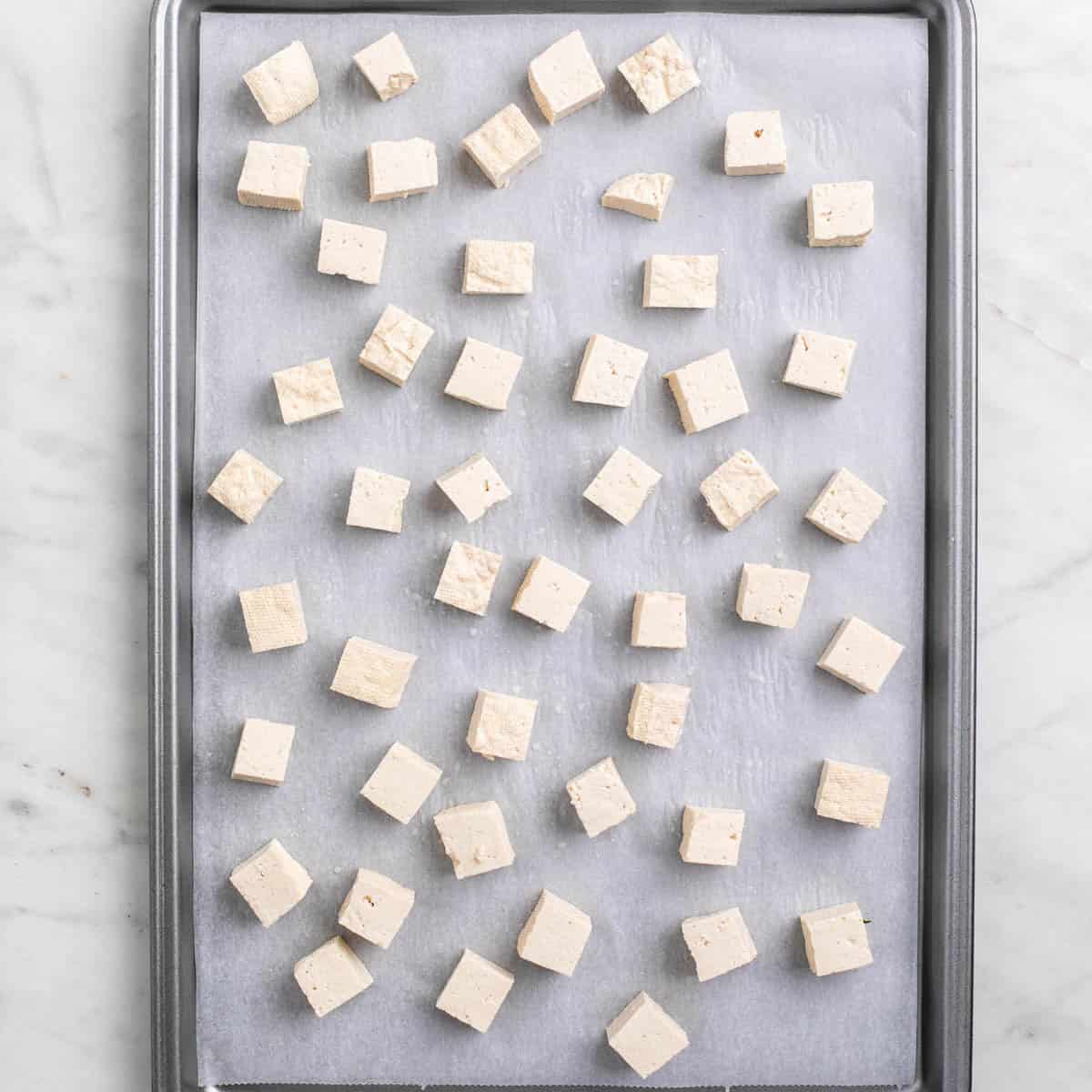
- Cut it into cubes, slices, or slabs, then arrange the pieces in a single layer on a plate or lined baking sheet.
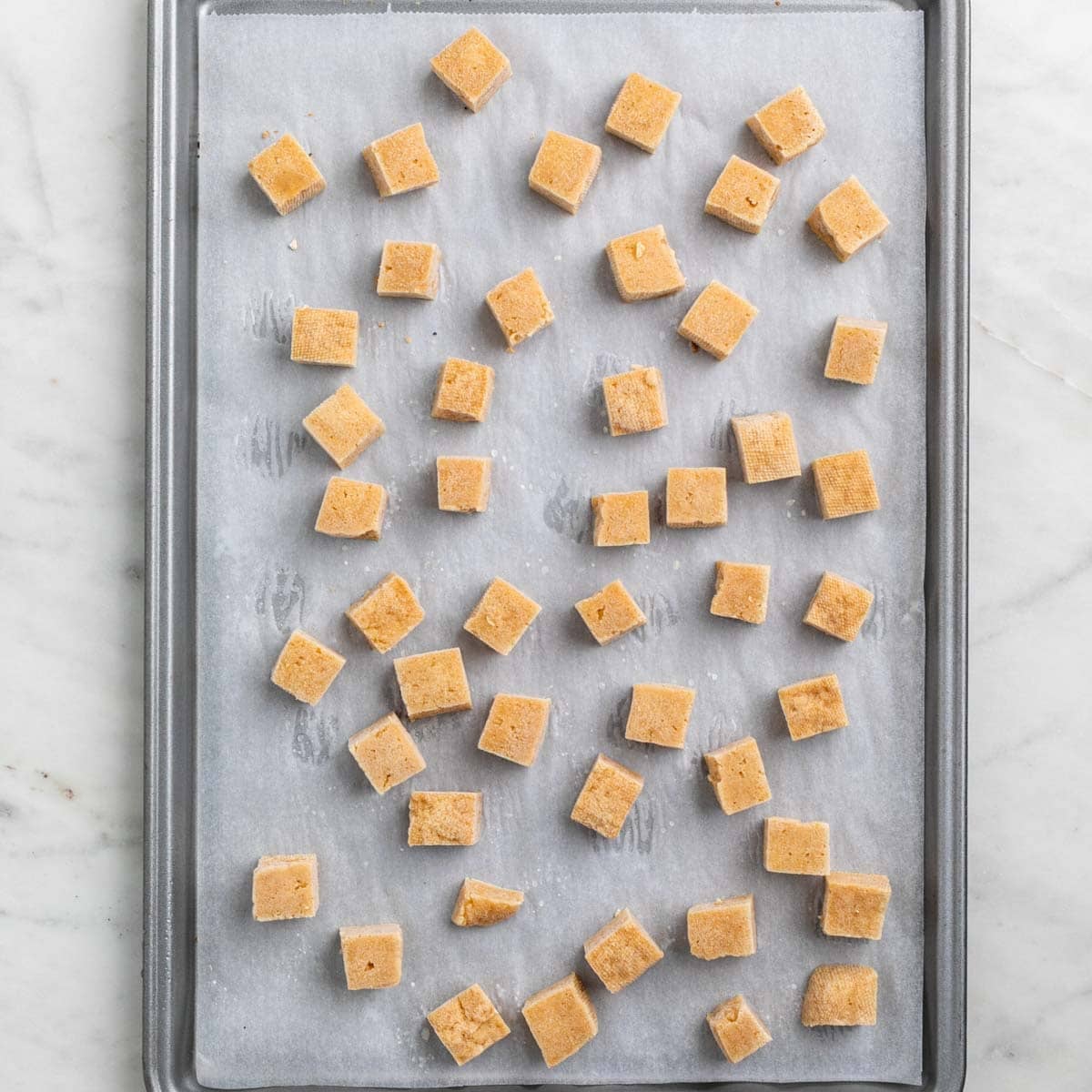
- Freeze for at least 6 to 8 hours, or preferably overnight, then transfer to a freezer-safe container or bag.
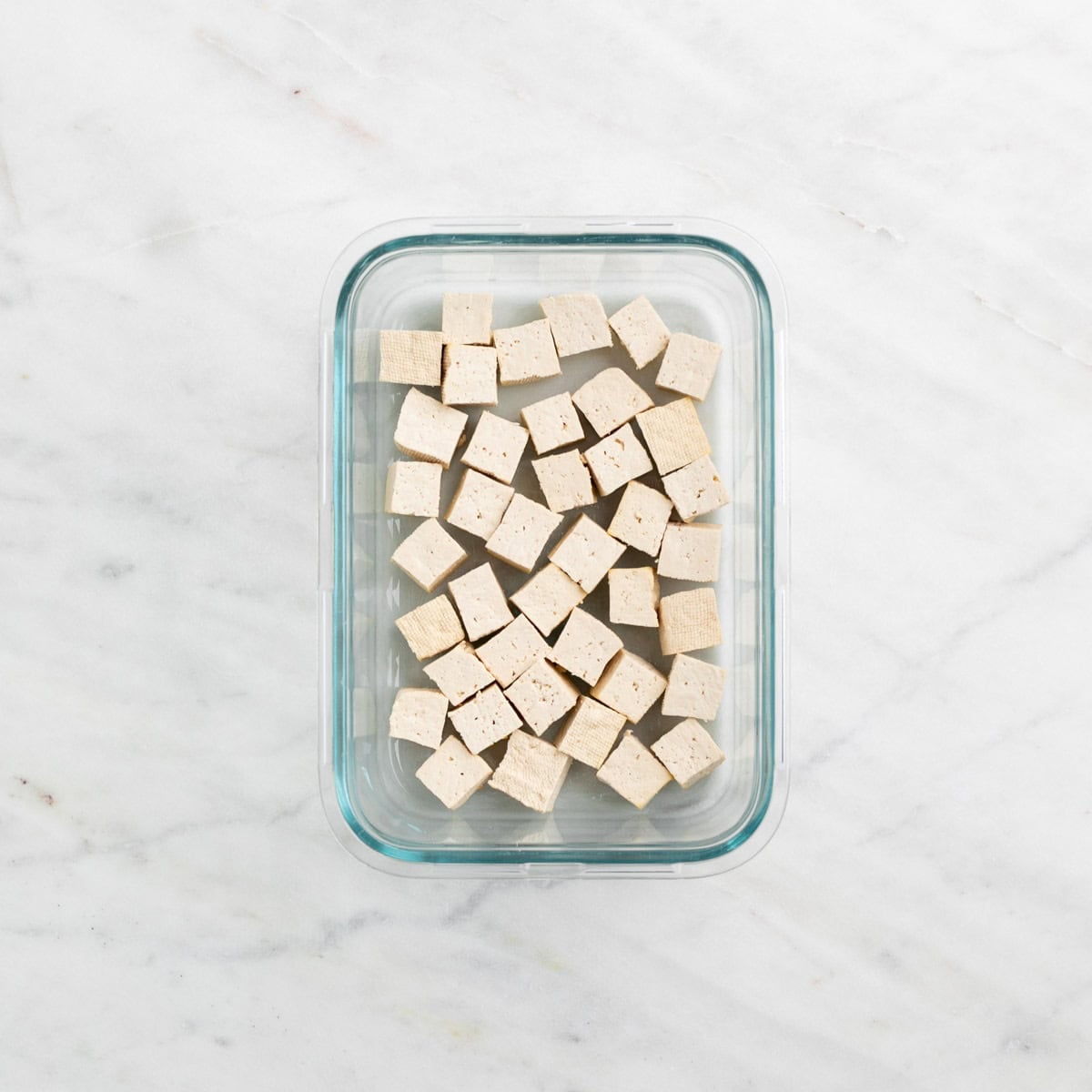
- Thaw in the refrigerator before using. Once thawed, gently squeeze out some excess water.
How Long Does It Take to Freeze Tofu?
Tofu usually takes about 6 to 8 hours to freeze completely, depending on the size of the block and the temperature of your freezer. For convenience, many people simply leave it in the freezer overnight. Once frozen solid, it can stay in the freezer for several months until you're ready to thaw and use it.
How to Thaw Frozen Tofu
Frozen tofu must be thawed before using it. There are two easy ways to do it, depending on how much time you have.
Thaw it in the refrigerator
The easiest method is to move the frozen tofu to the refrigerator and let it thaw slowly. This usually takes 8 to 12 hours, so it works well if you plan ahead.
Thaw it in water for a faster option
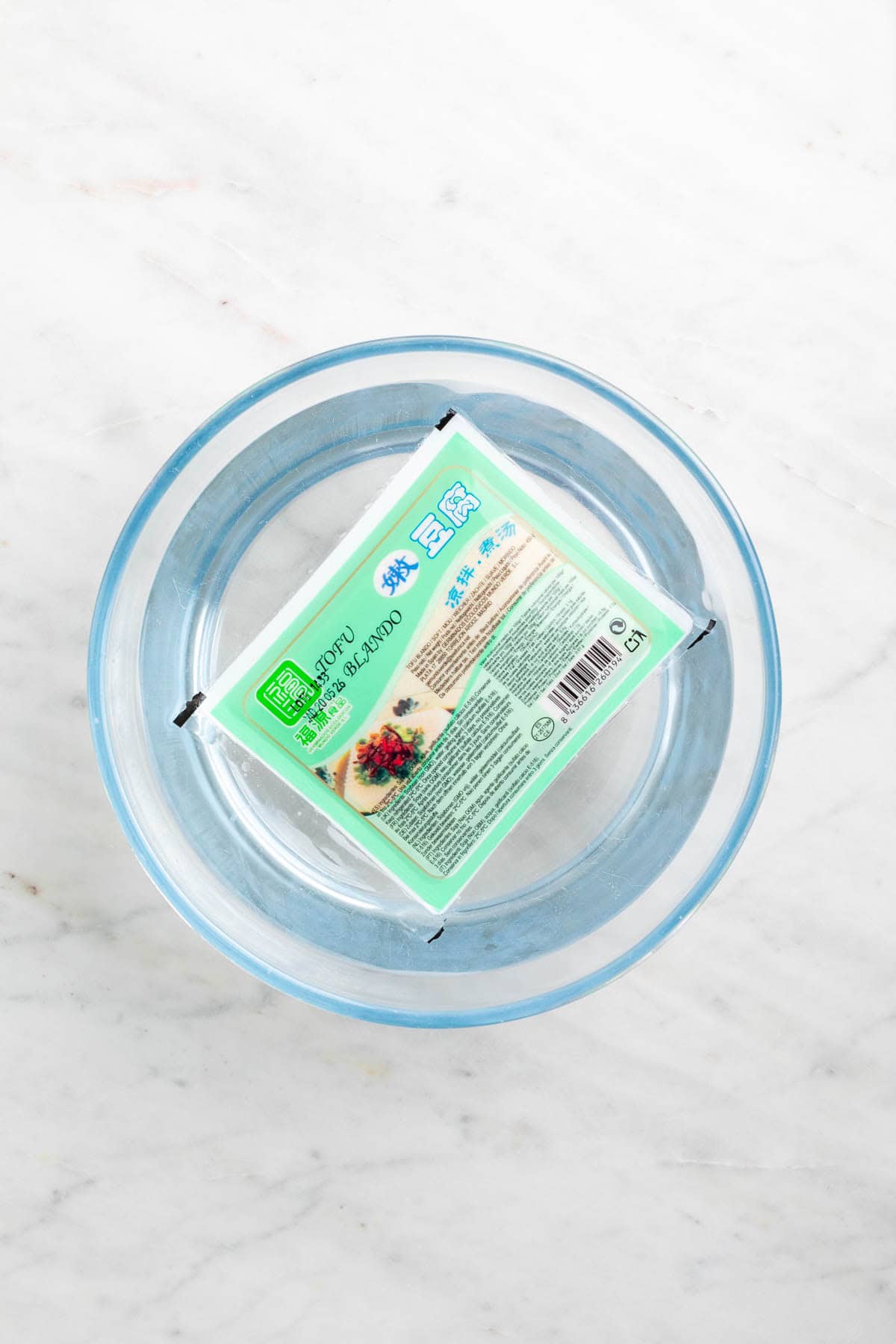
If you need to thaw tofu more quickly, place the unopened package in a bowl of cold or lukewarm water. It usually thaws in 1 to 2 hours, depending on the size of the block.
Once thawed, drain the tofu and gently squeeze out excess water before cooking.
Tips for Freezing Tofu
Freezing tofu is very simple, but a few small details can make a big difference in the final texture and how well it cooks. These tips will help you get the best results every time:
- Freeze it whole for the best texture. Keeping the tofu in its original package helps retain more water, which creates a spongier texture after thawing.
- Don't press tofu before freezing. The water inside is what creates the porous texture, so it's better to remove it after thawing instead.
- Always thaw before cooking. This allows you to drain excess water and helps the tofu cook more evenly.
- Gently squeeze, don't overdo it. Removing too much water can make the tofu dry instead of juicy.
- Marinate after thawing. Frozen and thawed tofu absorbs flavors much better, so this is the best moment to season it.
Do You Need to Press Tofu After Freezing?
Pressing tofu is usually not necessary before freezing it, because freezing already changes the tofu's structure and helps release some of the water inside. However, once the tofu is thawed, it's a good idea to gently squeeze or press out some of the excess moisture before cooking.
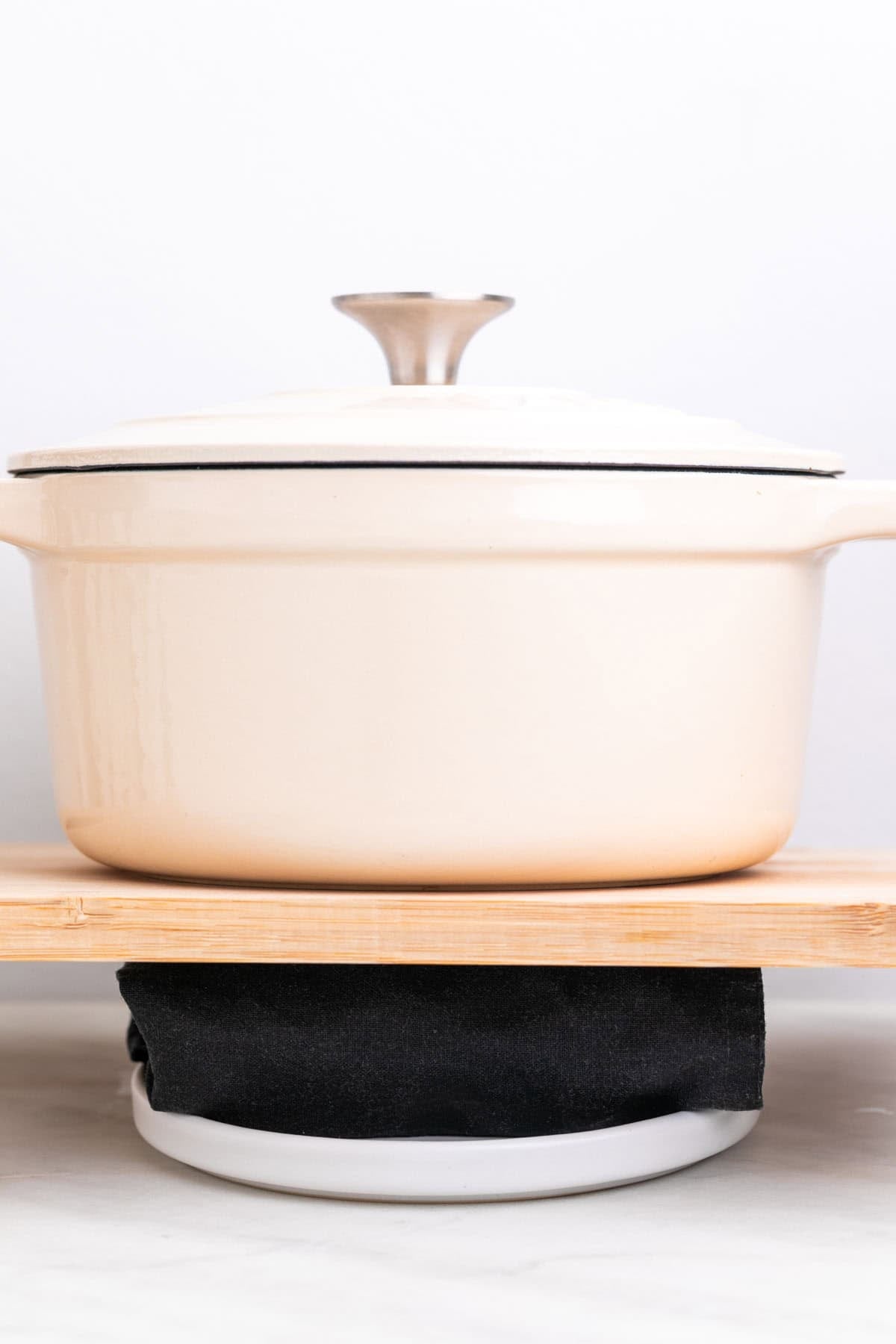
This helps the tofu absorb marinades better and develop a nicer texture when pan-fried, baked, or added to sauces. If you want to learn more about how pressing tofu works, check out my How to Press Tofu guide.
How to Use Frozen Tofu
Frozen tofu works well in many cooked dishes because its firmer, slightly spongy texture helps it absorb marinades, sauces, and broths more easily. Here are a few common ways to use it.

Pan-fried tofu
Frozen tofu is great for pan-frying because it becomes slightly chewy and holds its shape well. After thawing and draining, cut it into cubes or slices and cook it in a hot pan with a little oil until golden and crispy. You can follow the same method I use in my Pan Fried Tofu recipe.
Baked tofu
Another easy option is baking the tofu in the oven. The firmer texture helps it develop a nice crust while staying tender inside, especially when coated with a marinade or seasoning. If you'd like a step-by-step method, check out my Baked Tofu recipe.
Stir-fries, soups, and stews
Frozen tofu also works very well in saucy dishes such as stir-fries, soups, and stews. Because it becomes more porous after freezing, it can absorb the flavors of broths and sauces more easily. It works great in recipes like Tofu Stir Fry or Spicy Korean Tofu Soup.
When Not to Freeze Tofu
Although freezing tofu can improve its texture for many cooked dishes, it's not always the best option. Freezing changes the structure of the tofu, making it firmer and more porous, so it loses its smooth and creamy texture.
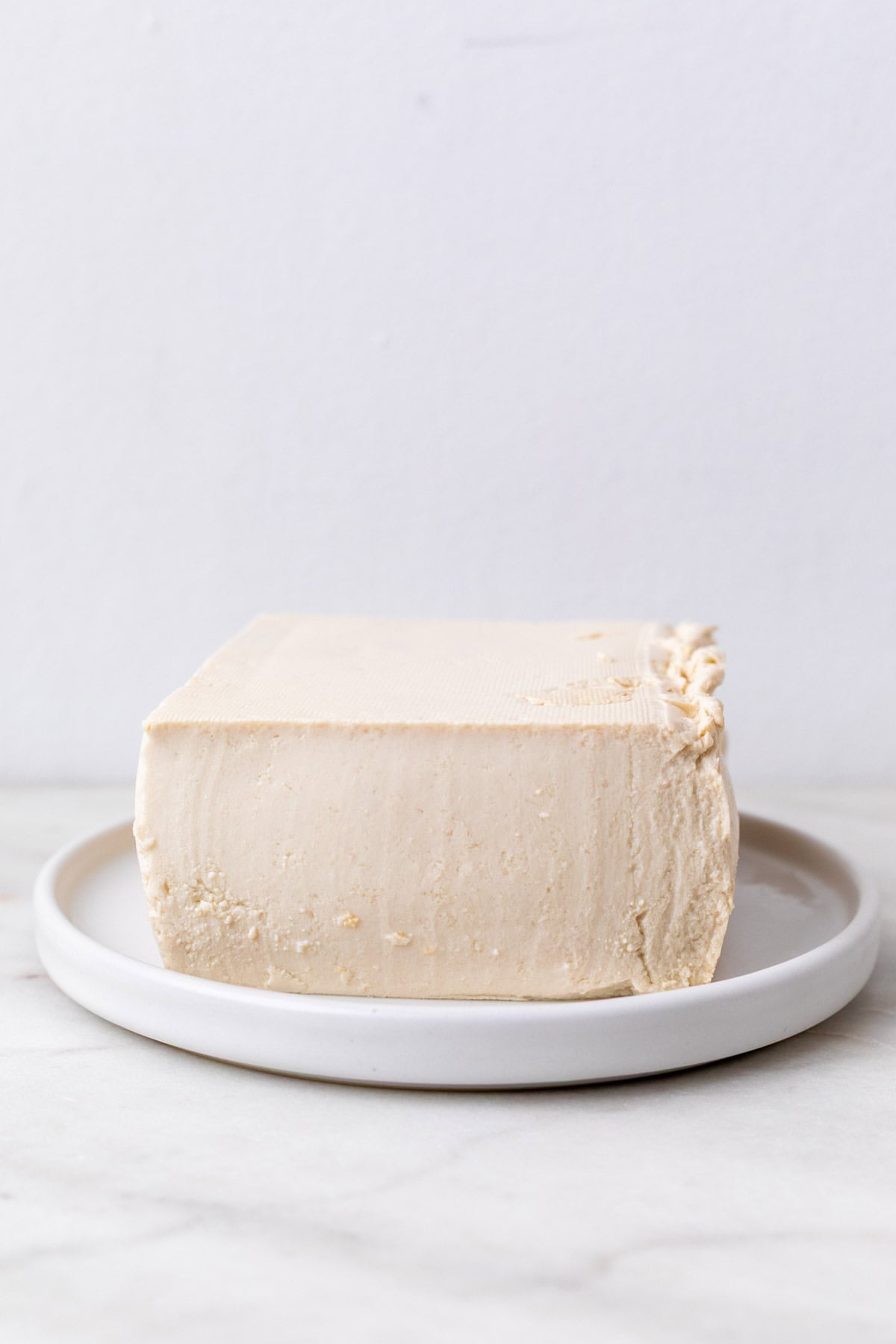
Because of this, fresh tofu usually works better if you plan to use it in recipes where a soft or silky texture is important.
Creamy sauces and blended recipes
If a recipe requires tofu to be blended until smooth, such as creamy sauces, dips, or smoothies, fresh tofu works much better. Frozen tofu tends to become grainier and won't give you the same silky texture.
Silken tofu desserts
Freezing is also not ideal for desserts made with silken tofu. These recipes rely on tofu's naturally smooth texture, which changes once it has been frozen and thawed.
Soft tofu dishes
Some dishes are meant to highlight tofu's delicate texture, especially recipes using soft or silken tofu. In those cases, fresh tofu usually gives better results than frozen tofu.
Freezing tofu is an easy way to change its texture and make it more versatile in the kitchen. Once you try it, you might even prefer it over fresh tofu for recipes where you want a firmer, more flavorful result.
Frequently Asked Questions
Yes, you can freeze tofu in its original package, and it's actually one of the easiest ways to do it. Simply place the unopened package in the freezer and let it freeze completely. Once thawed, drain the water and gently squeeze out some of the excess moisture before cooking.
Tofu can usually be kept in the freezer for up to 3 months without significant changes in quality. As long as it is properly sealed and kept frozen, it will remain safe to eat, although the texture may continue to become slightly firmer over time.
It's generally best to thaw tofu before cooking it, especially if you plan to pan-fry, bake, or marinate it. Thawing allows you to drain and squeeze out excess water, which helps the tofu absorb flavors and cook more evenly.
It's completely normal for tofu to turn slightly yellow after freezing. This color change happens because freezing alters the structure of the proteins in the tofu. Once thawed and cooked, the color usually becomes less noticeable.
Yes, cooked tofu can also be frozen. After cooking, allow it to cool completely, then store it in an airtight container or freezer-safe bag. When reheated, the texture may become slightly firmer, but it still works well in many dishes.
More Vegan Tofu Recipes
If you're looking for more tofu ideas, check out my Easy Tofu Recipes collection with 25 recipes, from crispy tofu and easy dinners to takeout-style favorites, or my How to Cook Tofu guide if you're new to tofu.
Did you try this method? Leave a comment and a rating below. I'd love to hear how it worked for you!
Love it? Leave a rating!
How to Freeze Tofu
Ingredients
- 1 (14-ounce) block tofu
Instructions
- Place the tofu in the freezer, either in its original package or cut into cubes or slices.
- Freeze until completely solid, about 6-8 hours or overnight.
- Transfer the tofu to the refrigerator and let it thaw completely.
- Drain the tofu and gently squeeze out some of the excess water before using.
Notes
- Once thawed, store the tofu in an airtight container in the refrigerator and use within 3 to 4 days.
- Freezing changes the texture, making the tofu firmer and more porous.
- This helps it absorb marinades and sauces better, but it will no longer be smooth or creamy.
- Gently squeeze out excess water after thawing before cooking for the best results.



Jo says
Hello
Day 35 of eating and cooking vegan and your instructions, directions, suggestions, and recipes with tofu have saved me!! I thought I was going to starve and go back to eating carnivore. Thank you, thank you, thank you. Your knowledge has been invaluable!
Iosune Robles says
Hi Jo! Thank you so much 😊 Your comment truly made my day! I'm so happy my tofu tips and recipes have helped make your vegan journey easier. Congratulations on 35 days, and I hope you continue to discover lots of delicious plant-based meals. Thanks so much for your kind words!
Gina says
Thanks so much for this informative post. I thought that freezing tofu was just freezing tofu. There were things to learn, which I did, from reading this.
Iosune Robles says
Hi Gina! Thank you so much 😊 I’m so glad you found it helpful! It does seem like a simple process, but there are definitely a few tips that can make a difference. Thanks for taking the time to leave a comment!