

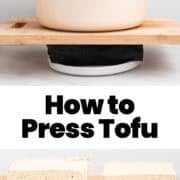
How to press tofu is one of the most common questions people have when they start cooking with tofu. When done properly, it can improve the texture, help it brown better, and allow marinades to soak in more evenly. I cook with tofu all the time, and pressing really does make a difference in some recipes - but not all. In this guide, I'll show you exactly how to press tofu step by step, when it actually matters, and when you can skip it.
Jump to:
Do You Need to Press Tofu?
Short answer: not always.
Pressing tofu helps remove some of the excess water, which can improve the texture and make it crispier when cooked. Freezing tofu can also help change the texture and create a firmer, chewier result once thawed. But that doesn't mean you have to do it every single time.
In my experience, pressing really helps when you want firm slices, crispy cubes, or tofu that holds its shape well. But if you're crumbling it for a scramble, adding it to a saucy stir-fry, or cooking it long enough for the moisture to cook off, you can usually skip it without noticing much difference.
Once you understand what pressing actually does, it becomes much easier to decide whether it's worth the extra step for the recipe you're making.
When Should You Press Tofu?
You'll get the best results from pressing tofu when texture really matters.
Pressing is especially helpful when you want the tofu to be firmer, crispier, or able to hold its shape during cooking. Removing some of the excess moisture allows the surface to brown better and helps marinades soak in more evenly.
Here are the situations where pressing usually makes a noticeable difference:
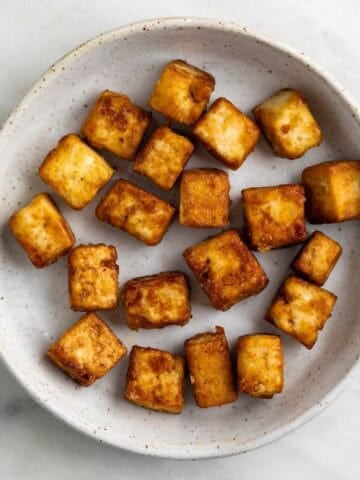
- When you want crispy tofu (baked, pan-fried, or air-fried cubes)
- When you're marinating tofu for deeper flavor
- When you're slicing it into steaks or fillets and need clean, firm edges
- When you're grilling tofu and don't want it to fall apart
- When you're breading or coating tofu, so the coating sticks better
In these cases, taking a little time to press the tofu can noticeably improve the final texture.
When Can You Skip Pressing Tofu?
There are plenty of situations where pressing tofu won't make a big difference - and knowing this can save you time.
If the tofu is going to cook for long enough to release moisture on its own, or if texture isn't the main focus of the dish, you can usually skip pressing without noticing much change.
You can often skip pressing when:
- You're crumbling tofu for scrambles, taco filling, or bolognese
- You're cooking it in a saucy dish where it will simmer and absorb flavor anyway
- You're blending it into sauces, dressings, dips, or desserts
- You're using super-firm tofu, which already contains very little moisture
- You're short on time and cooking it a few extra minutes will do the job
In these cases, simply patting the tofu dry with paper towels is usually enough.
Quick Guide: When to Press and When to Skip
If you prefer a quick overview, here's a simple breakdown to help you decide.
| Type of tofu | Press it? | Why |
|---|---|---|
| Extra-firm | Usually yes | Better texture and browning |
| Firm | Yes | Holds its shape and absorbs marinades better |
| Super-firm | No | Already very dense and low in moisture |
| Soft | No | Too delicate, can break apart |
| Silken | Never | Not meant to be pressed |
If you're ever unsure, pat the tofu dry and cook it a little longer. For most everyday recipes, that works perfectly.
How to Press Tofu (Step by Step)
Now that you know when pressing makes sense, here's exactly how to do it. This simple method works with basic kitchen tools and takes very little effort.
How to Press Tofu Without a Tofu Press
You don't need any special equipment. A clean towel and something heavy are all it takes.
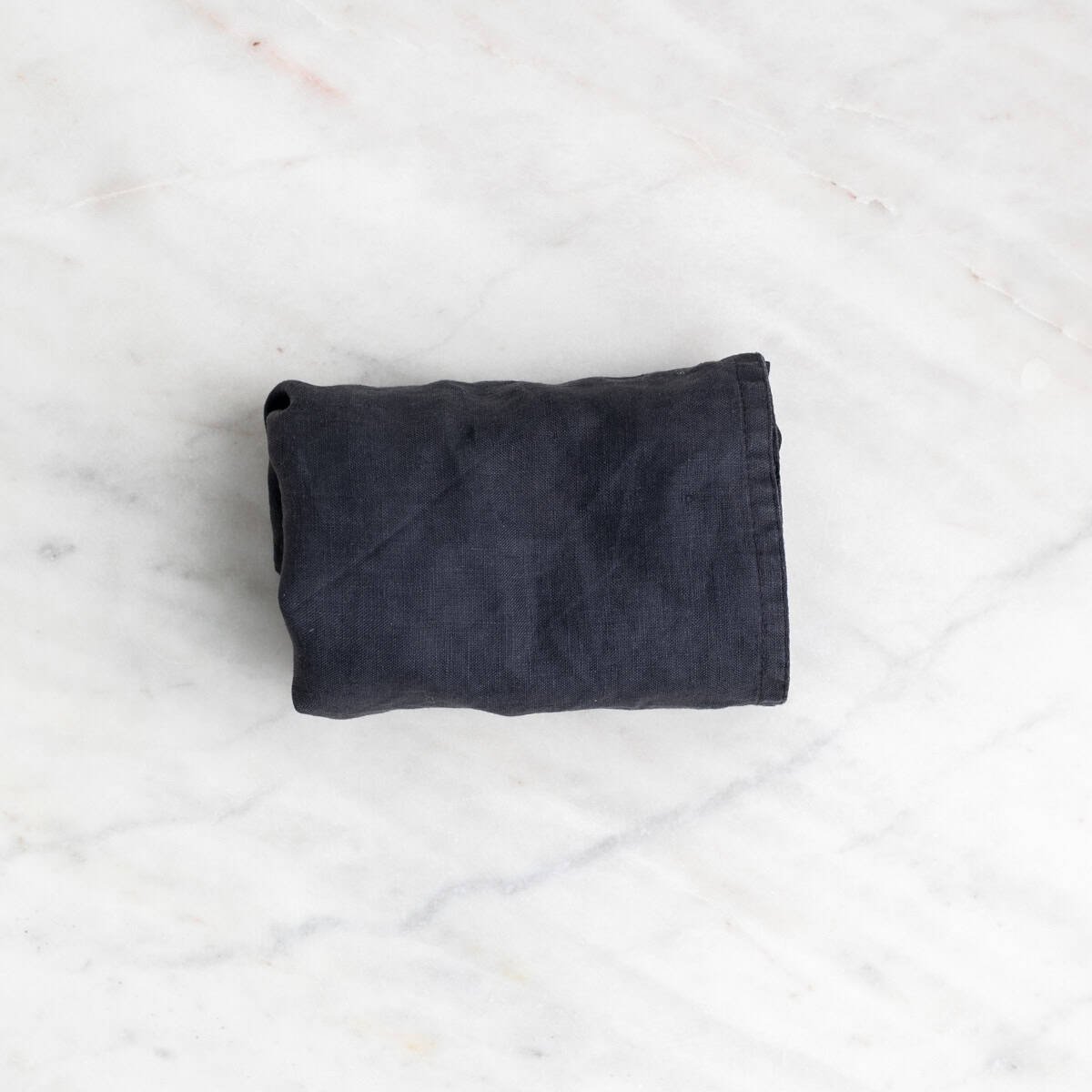
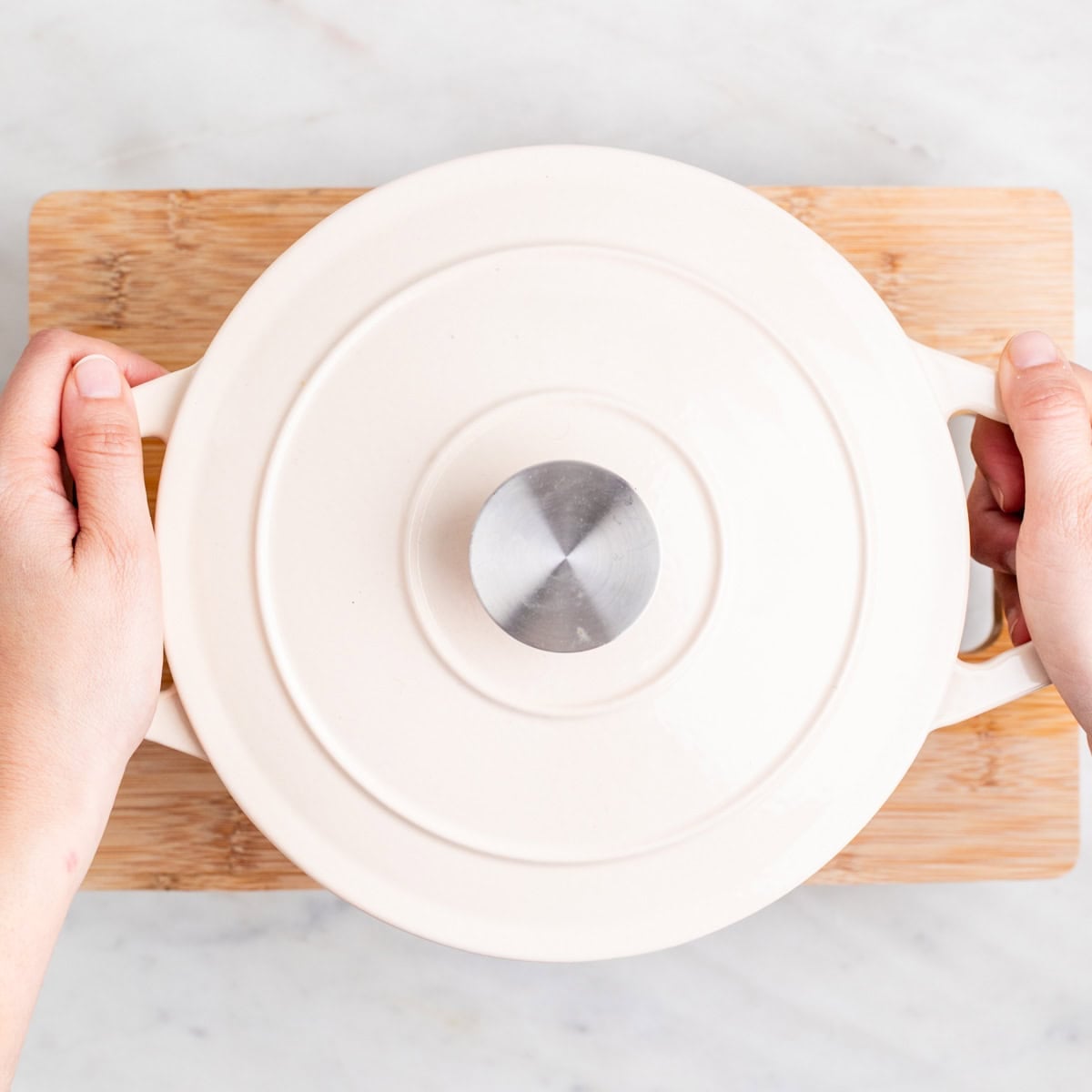
- Remove the tofu from its package and gently drain off as much surface liquid as possible. Wrap the block in a clean kitchen towel (this is what I usually use), or several layers of paper towels if you prefer.
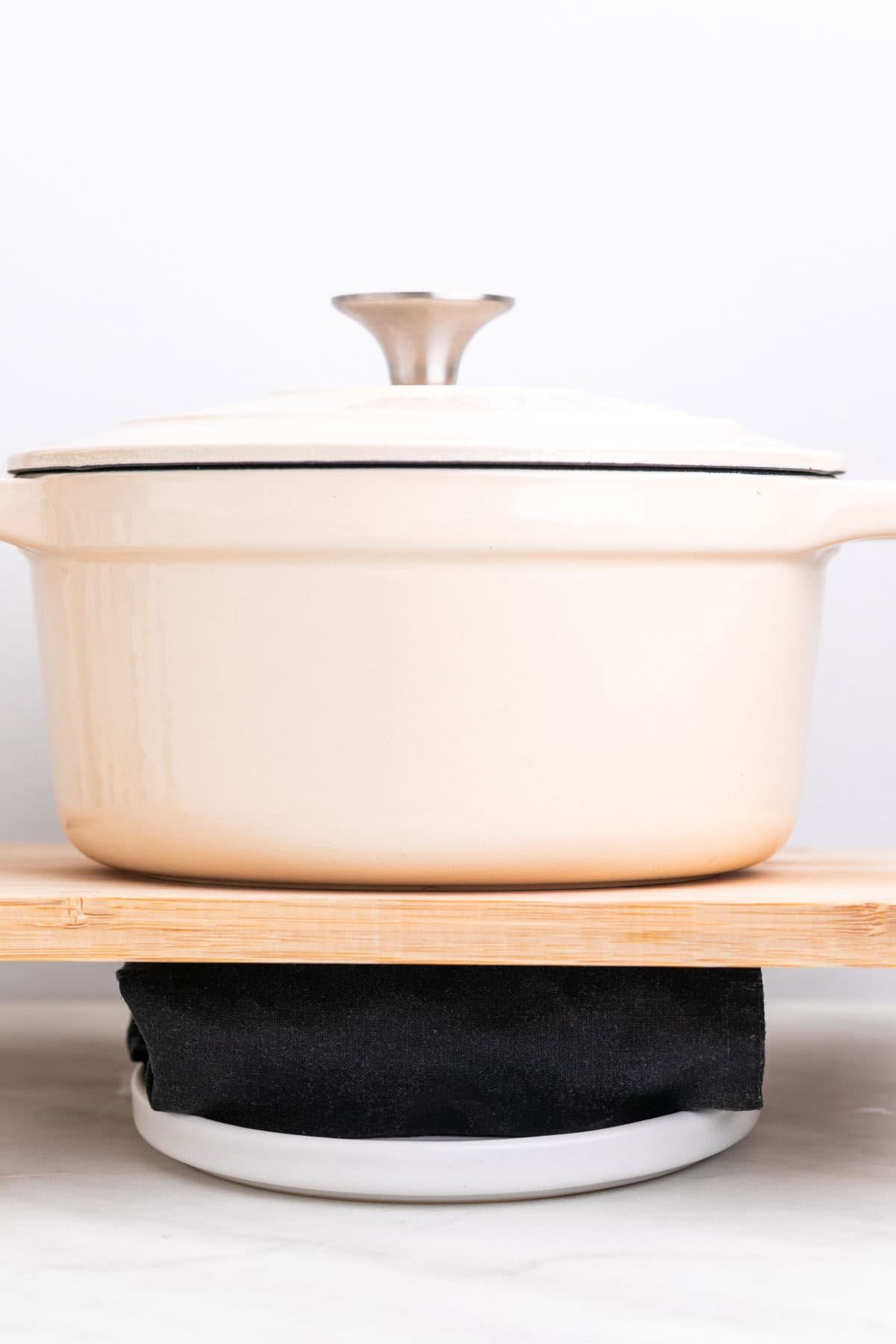
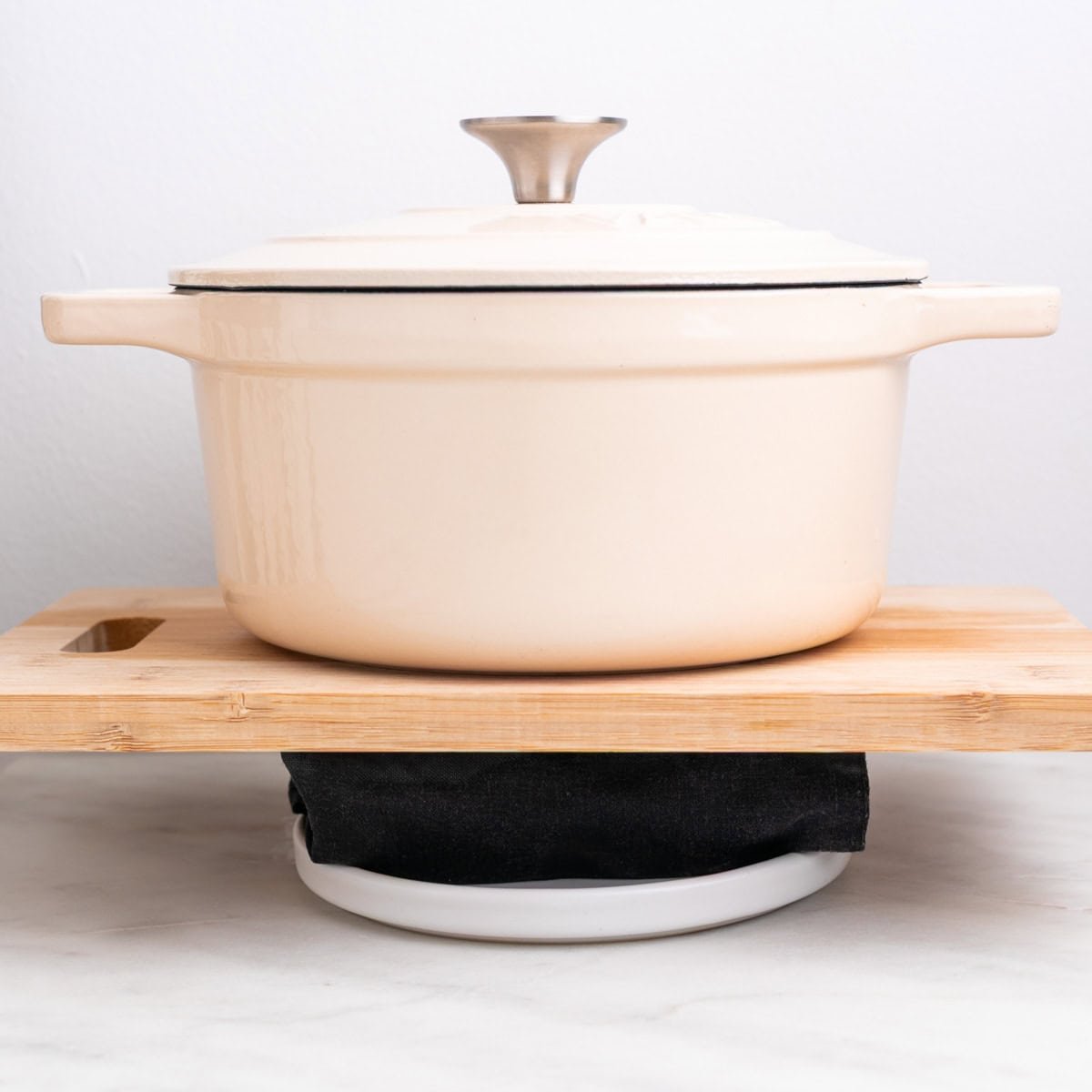
- Place the wrapped tofu on a plate or cutting board, then set another plate or board on top and add something heavy, like a pot, a skillet, or a few cans.
- Let it press for 20 to 30 minutes. If the towel becomes very wet, you can replace it halfway through. If you plan to press it longer than 30 minutes, it's best to place it in the refrigerator.
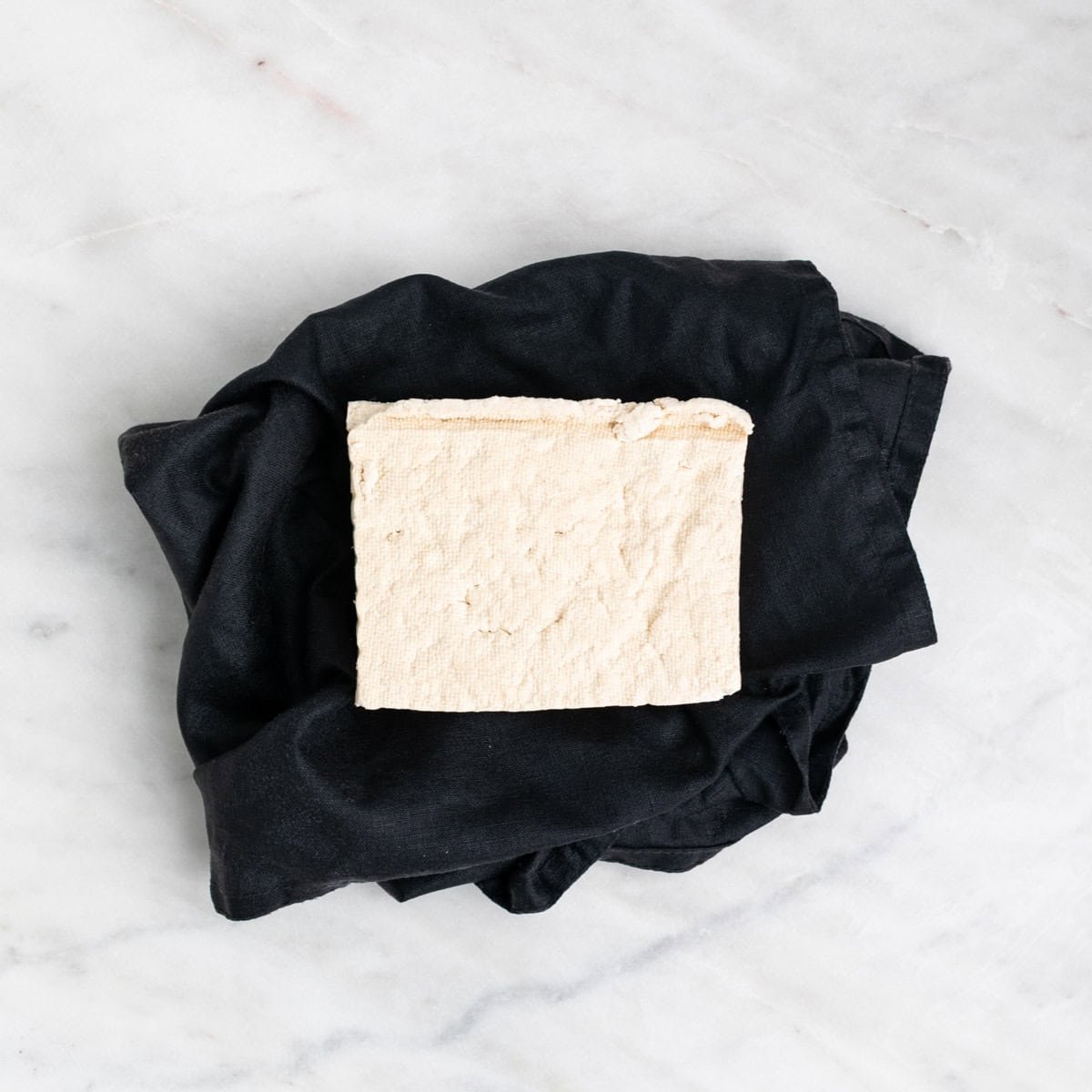
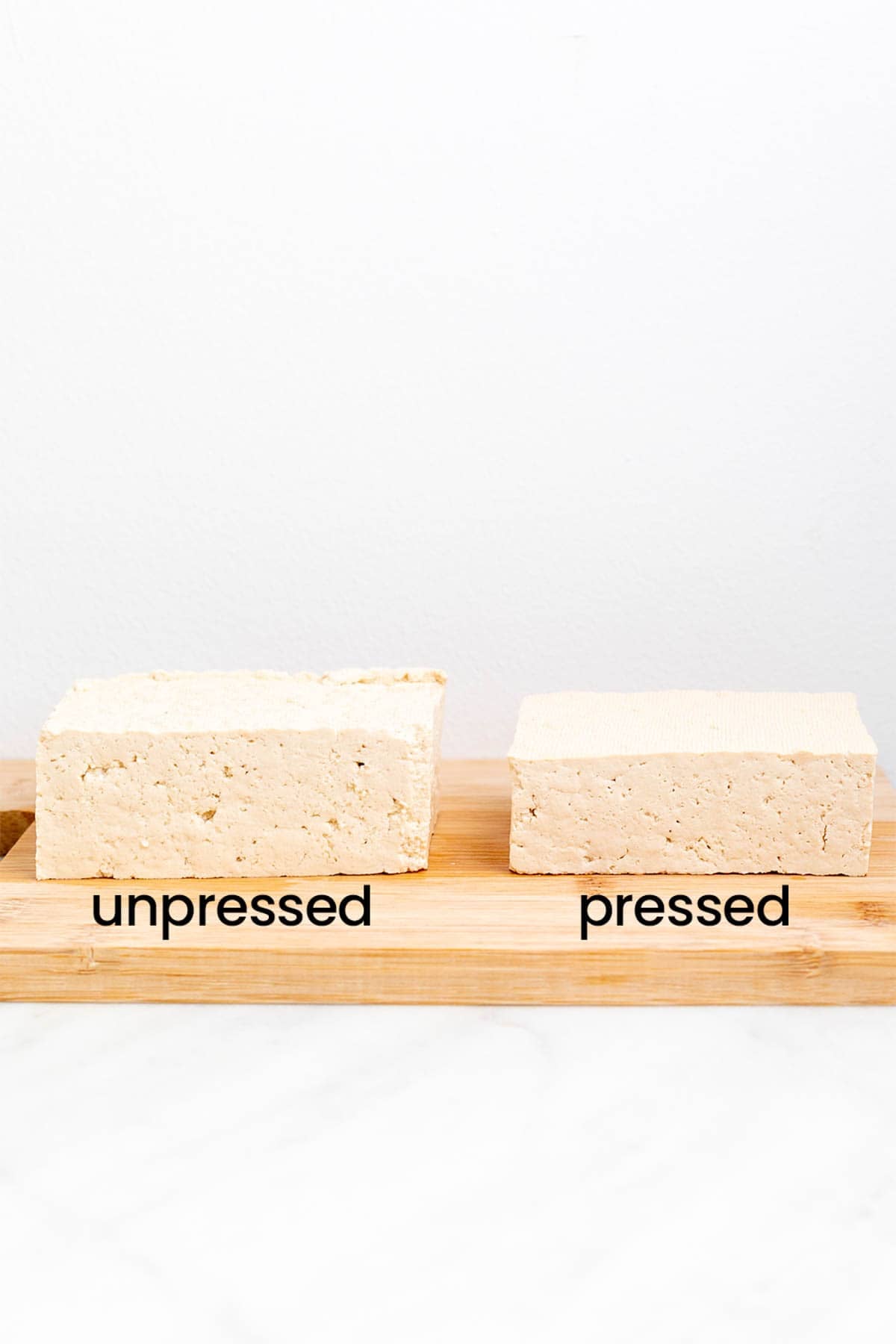
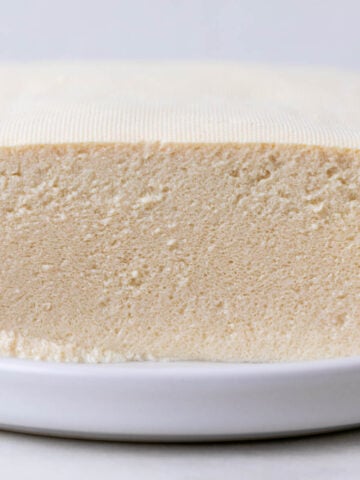
- Once pressed, the tofu should feel firmer and slightly thinner. At this point, it's ready to cut, marinate, or cook.
How to Press Tofu With a Tofu Press
If you use tofu regularly, a tofu press can make things a little easier. It keeps everything neat and saves you from balancing plates and heavy pans.
I personally use the Tofuture Tofu Press and it works really well because it presses evenly and keeps everything contained.
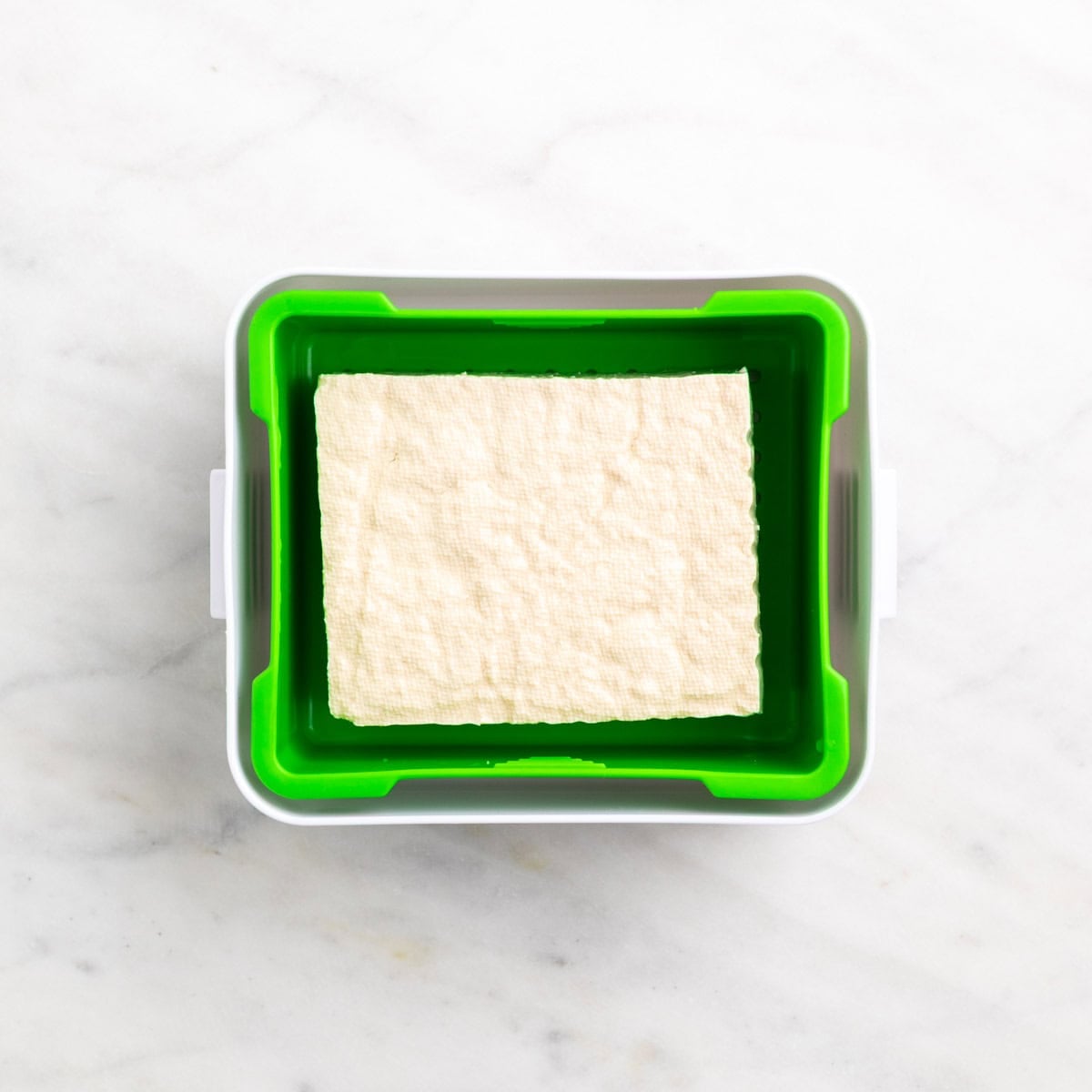
- Place the drained block of tofu inside the press so it sits flat and centered.
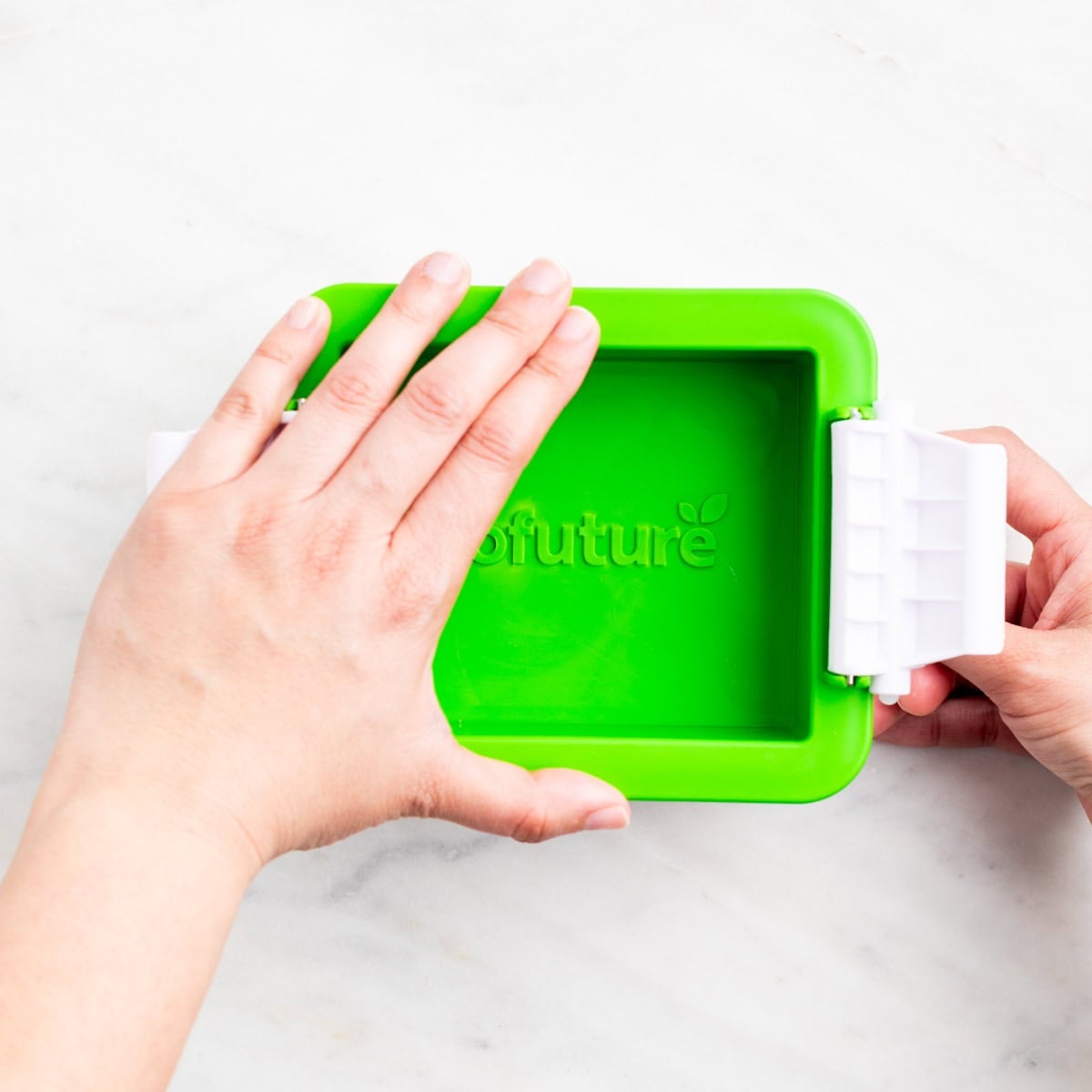
- Close the press and tighten it gently so it starts applying steady pressure.
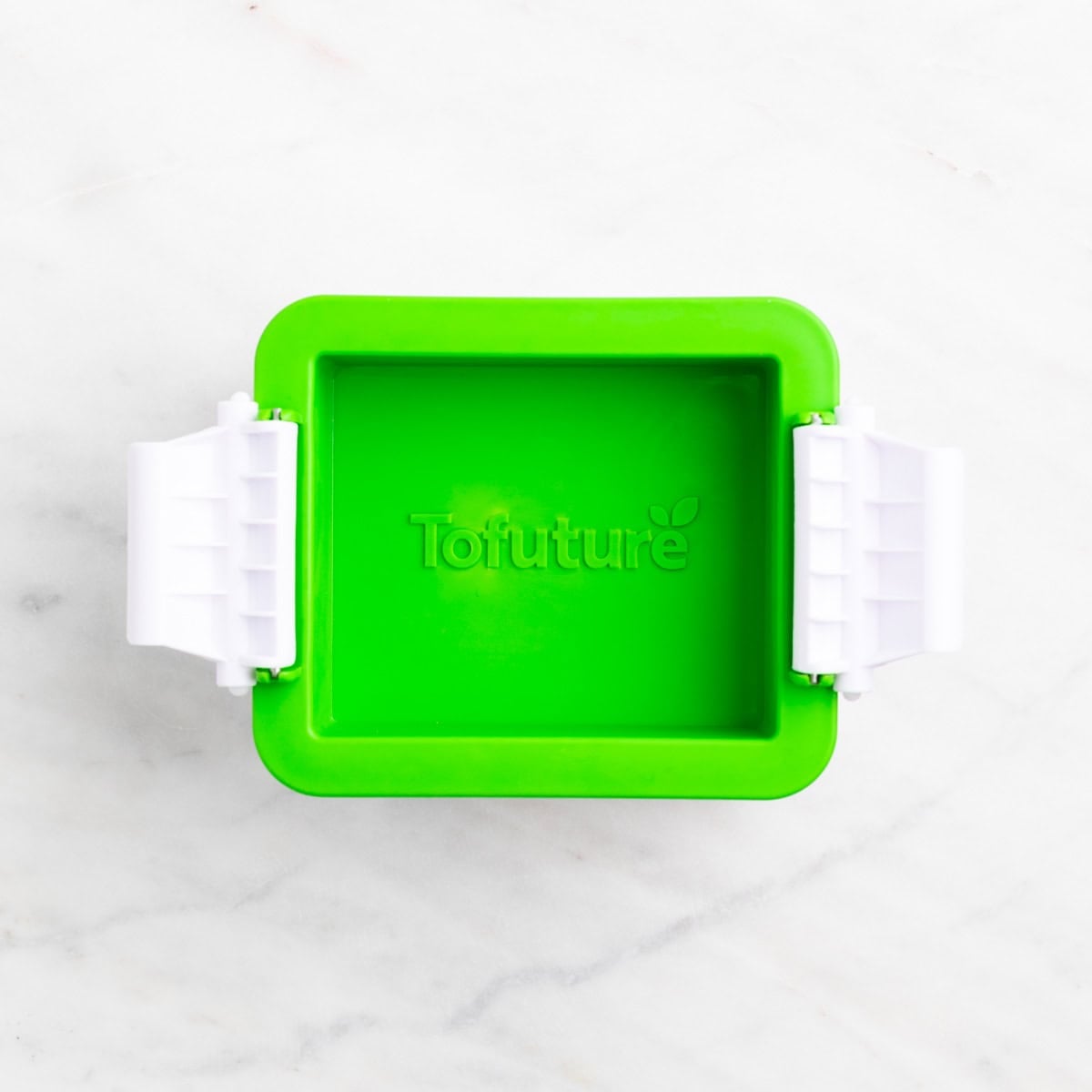
- Let the tofu press for about 20 to 30 minutes, or until most of the liquid has drained. If you plan to press it longer than 30 minutes, it's best to place it in the refrigerator.
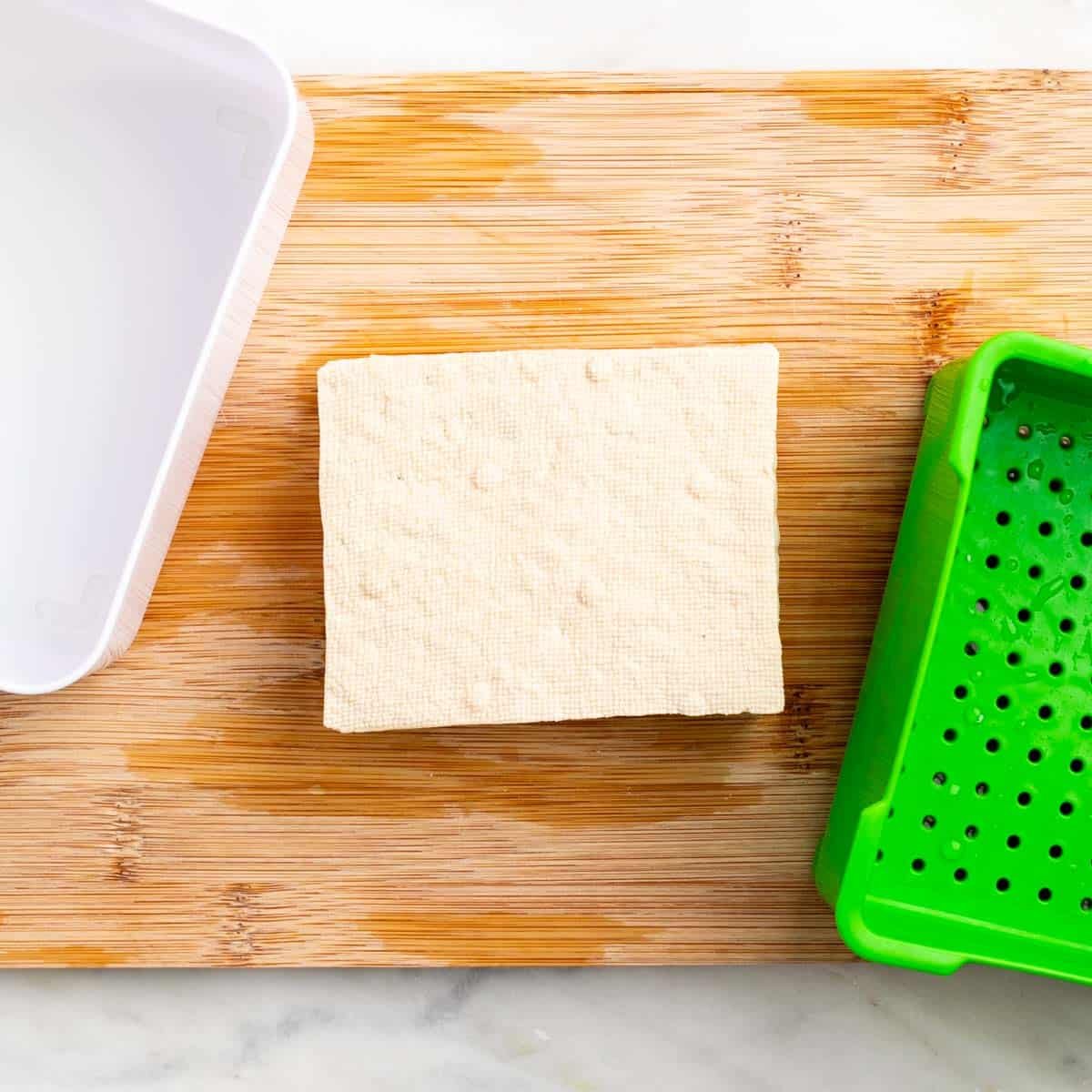
- Remove the tofu from the press. It should feel firmer and slightly thinner, ready to cook or marinate.
How Long Should You Press Tofu?
For most recipes, pressing tofu for 20 to 30 minutes is more than enough.
That's usually the sweet spot if you want a firmer texture and better browning without waiting too long. In many everyday dishes, even 15 minutes can make a noticeable difference.
If you're marinating the tofu and want it to absorb as much flavor as possible, you can press it for 45 minutes to 1 hour. This removes more moisture and gives the marinade more room to soak in.
Pressing it for longer than an hour isn't always necessary, unless you prefer a very dense texture. In most cases, you won't notice a big difference beyond that point.
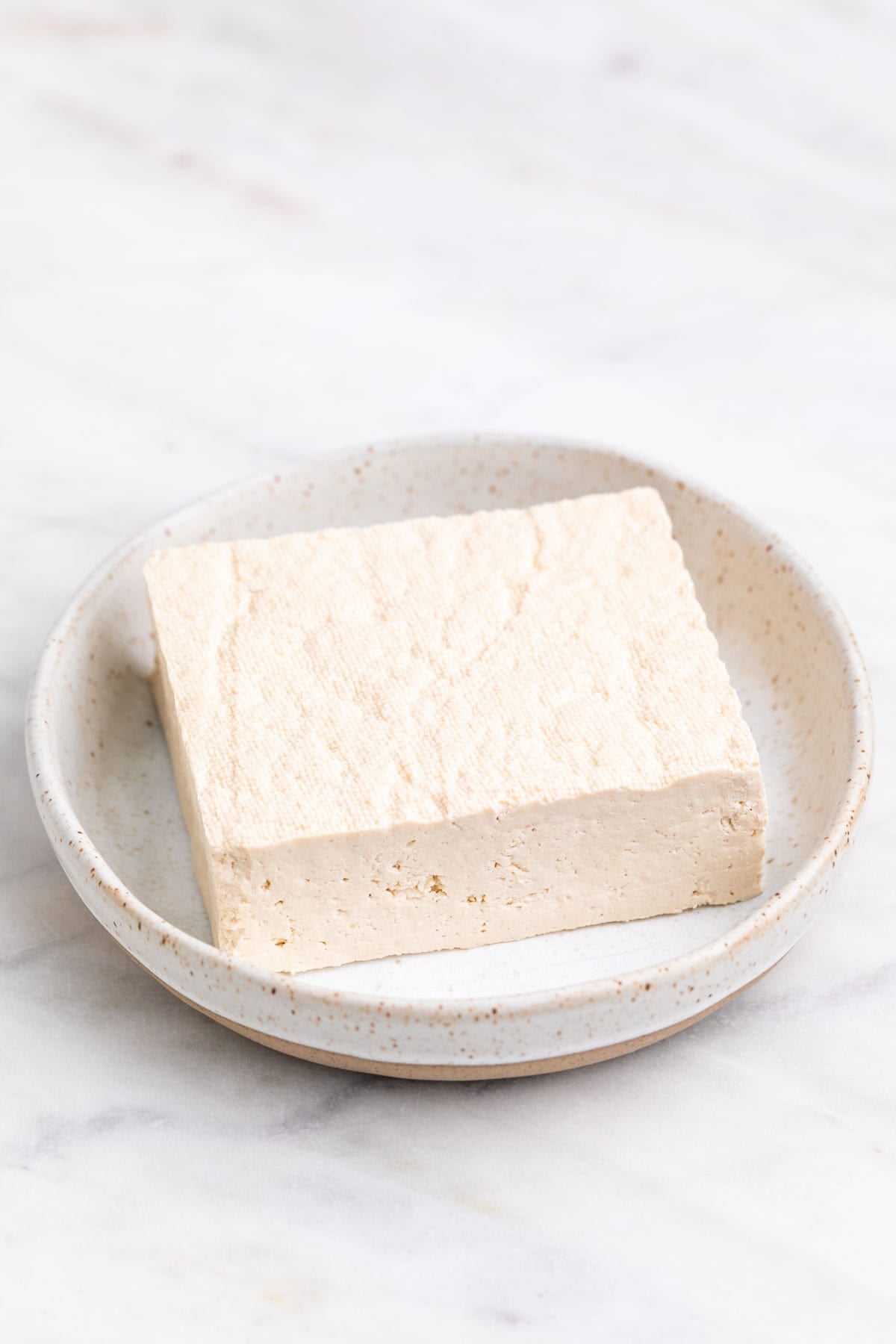
A good way to tell it's ready is simple: the tofu should feel firmer and stop releasing visible liquid from the sides.
| Pressing time | Result |
|---|---|
| 10-15 minutes | Slightly firmer texture |
| 20-30 minutes | Ideal for most recipes |
| 45-60 minutes (refrigerated) | Better for marinating |
| Overnight (refrigerated) | Dense texture |
Common Mistakes When Pressing Tofu
Pressing tofu is simple, but a few small mistakes can affect the final texture.
Here are the most common ones to avoid:
- Using too much weight. If you press too hard, the tofu can crack or crumble, especially around the edges.
- Pressing soft or silken tofu. These types are too delicate and will fall apart.
- Skipping the towel or paper towels (when using the weight method). Without something absorbent, the moisture has nowhere to go and won't drain properly.
- Not giving it enough time. Pressing for just a few minutes won't remove much moisture.
- Expecting pressing to add flavor. Pressing improves texture, but seasoning and cooking technique are what really make tofu taste good.
Keep it simple and don't overthink it. Gentle pressure and a little patience go a long way.
Frequently Asked Questions
Yes, you can press tofu ahead of time. Once pressed, store it in an airtight container in the refrigerator and use it within 1 to 2 days for best texture.
You don't need a lot of pressure. A pot, a heavy skillet, a few cans, or a couple of books are usually enough. The goal is steady, gentle pressure - not crushing the tofu.
Freezing tofu changes its texture and makes it much firmer and more porous once thawed. While it's not exactly the same as pressing, it can help remove moisture and create a chewier texture. I'll cover this method in more detail in a separate guide.
Yes, pressing tofu at room temperature is perfectly safe for short periods like 20 to 30 minutes. If you plan to press it for longer than an hour, especially in a warm kitchen, it's better to place it in the refrigerator.
Yes, it's possible to press tofu too much. Using excessive weight or pressing for too long can cause the tofu to crack or crumble, especially around the edges. Gentle, steady pressure is usually enough to remove excess moisture without damaging the texture.
Recipes Where Pressing Tofu Makes a Difference
Pressing really pays off in recipes where texture and structure matter. These are some of my favorites where taking a few extra minutes to press the tofu makes a noticeable difference:
- Air Fryer Tofu - Pressing helps create extra crispy edges and better browning.
- Tofu Chicken Nuggets - Pressing removes excess moisture so the coating sticks properly and turns golden.
- Sesame Tofu - Pressing helps the cubes stay firm and absorb the sauce evenly.
- Grilled Tofu - Pressing helps it hold its shape and cook better on the grill.
- Tofu Steak - Pressing keeps the slices sturdy and prevents them from breaking while cooking.
- Tofu Katsu - Pressing helps the breading adhere and creates a crispier texture.
Looking for more ways to cook tofu? Check out my Easy Tofu Recipes collection for crispy tofu, takeout-style favorites, easy dinners, and more.
Still have questions about pressing tofu? Let me know in the comments. I'm happy to help!


About Iosune
Hi, I’m Iosune! I’m a food lover, home cook, recipe creator, and co-founder of Simple Vegan Blog, which I started in 2014 to show how easy and delicious vegan cooking can be.