How To Make Tahini
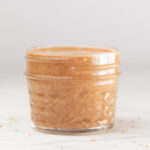
How to make tahini at home using just sesame seeds and oil, which is optional. It's so easy to prepare and ready in less than 15 minutes!
Servings: 1.25 cups (300 ml)
Calories: 107kcal
Ingredients
- 2 cups raw sesame seeds hulled white sesame seeds are ideal, but any kind will do
- 2-4 tablespoon oil optional, I used extra virgin olive oil
Instructions
- Use any type of sesame seeds you have on hand. I prefer to use hulled white sesame seeds because they're the best choice for making tahini, but raw unhulled sesame seeds are also great.
- Transfer the sesame seeds to a skillet and cook over medium heat, stirring constantly for about 5 minutes or until the seeds are lightly colored and fragrant. If you're using toasted sesame seeds, omit this step.
- Let cool the sesame seeds for 5 minutes and transfer to a food processor or a powerful blender and process until a crumbly paste begins to form.
- Add the oil and process until smooth. The amount of oil you need will depend on the freshness of your sesame seeds and the power of your food processor or blender. If you're using a powerful machine, you don't need to add any oil, but I prefer my tahini with a little bit of oil.
- Store the tahini in a sealed container in the fridge for at least 1 month. It can last for up to 6 months or even longer, though. You may notice it separates over time. If this happens, give it a good stir before using.
Notes
- Hulled white sesame seeds are my favorite ones, but I also use raw unhulled sesame seeds sometimes, depending on what I have on hand. Unhulled seeds are much darker and still have their hull or outer shell intact. In addition, tahini made from unhulled sesame seeds tends to taste more bitter, but it's still delicious.
- I used extra virgin olive oil, but any other oil will do. Keep in mind that extra virgin olive oil has a strong taste and I love it, but you may want to use a neutral oil instead like canola or sunflower oil.
- You can use either a food processor or a powerful blender to make this recipe, so use what you have in your kitchen.
- I don't add any salt to my tahini, but please feel free to add some salt to taste if you prefer your tahini saltier.
- Nutritional info has been calculated by using 4 tablespoon of extra virgin olive oil.
Nutrition
Serving: 1tablespoon | Calories: 107kcal | Carbohydrates: 3.4g | Protein: 2.6g | Fat: 10g | Saturated Fat: 1.4g | Sodium: 2mg | Fiber: 1.7g
